


BMW Safety Rating Review 2026 – What You Need to Know
Did you know that today’s luxury cars handle over 25 gigabytes of data every hour? This data helps them watch the road and stop accidents before they start. Looking at the 2026 bmw safety rating, it’s clear that safety is more than just a strong body. It’s about smart, early warning systems.
This guide aims to help you understand car safety standards. Whether you’re checking out the latest SUV models or comparing luxury features, knowing these details is key. My goal is to give you a clear, expert view to help you choose the right car.
True peace of mind comes from knowing your car can handle surprises. By looking at crash test results and new tech, I’ll show you how BMW puts your safety first. Let’s explore the tough tests that prove BMW’s commitment to security and innovation.
Key Takeaways
- Modern luxury vehicles use huge data processing to prevent accidents in real time.
- The 2026 lineup has advanced sensors for early occupant protection.
- Knowing crash test scores is key when buying a luxury car.
- New tech in stability and emergency braking is now common in all models.
- My analysis aims to give buyers clear, data-based insights.
Overview of BMW’s Commitment to Vehicle Safety
My research on how safe are BMW cars shows a strong focus on keeping drivers safe. BMW uses advanced tech and a whole-body approach to safety. This ensures every car meets top safety standards.
BMW’s vehicle safety standards guide their car design. They use strong materials and special crumple zones to protect the cabin. This focus on innovation makes their cars stand out in the luxury market.
Why Safety Ratings Matter
Safety ratings are key for those who value family safety and reliability. These ratings show a validated promise of security. They help buyers make smart choices in a crowded market.
Reliability is about how a car performs in tough situations. Standardized tests show a car’s real-world abilities. This openness builds trust between the maker and the driver.
Understanding the Testing Process
Testing involves both internal simulations and external checks. Engineers test cars in extreme conditions to check if they work right in crashes. This meticulous attention to detail is key to BMW’s development.
The table below shows the main criteria for evaluating car safety in these tests:
| Testing Category | Focus Area | Evaluation Metric |
|---|---|---|
| Structural Integrity | Chassis Durability | Deformation Resistance |
| Impact Mitigation | Airbag Deployment | Response Timing |
| Active Avoidance | Sensor Accuracy | Collision Prevention |
| Pedestrian Safety | Impact Absorption | Injury Reduction |
Key Safety Features in BMW Models
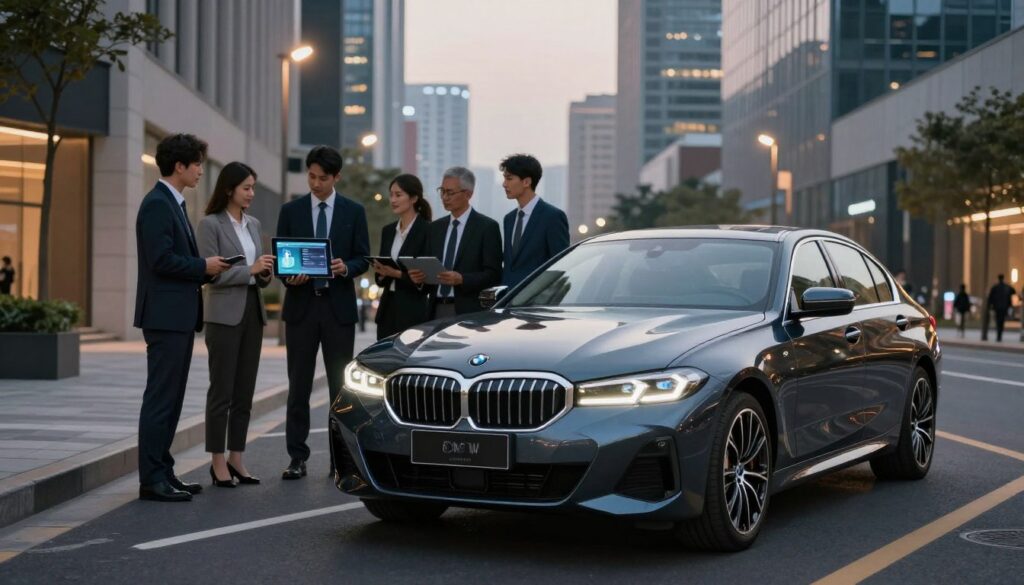
BMW has found the perfect mix of speed and safety in their cars. Looking at their latest models, it’s clear they focus on keeping everyone safe. This is true whether you’re eyeing a compact SUV or a sleek sedan, like the one in this BMW 3 Series review.
Active Safety Technologies
BMW’s active bmw safety features act like an extra pair of eyes on the road. They use advanced sensors and cameras to watch out for dangers. For example, the new X1 comes with blind spot and rear cross-traffic warnings, even in the base model.
“Safety is not just about surviving a crash; it is about utilizing technology to ensure the crash never happens in the first place,” says BMW. They have systems like lane-keeping and automatic emergency braking to keep you safe. This bmw safety technology gives you confidence on long drives or in crowded cities.
Passive Safety Enhancements
Passive safety features kick in if a crash happens. BMW’s safety cage is a key part of this. It’s made of strong steel and aluminum to absorb energy and keep it away from the cabin.
BMW also uses smart airbags that deploy just right for the crash. This mix of strong structures and smart software keeps everyone safe inside. It’s like a protective shell for your passengers.
BMW Safety Ratings: NHTSA and IIHS Insights
Understanding a vehicle’s safety is key. I look at the metrics from top safety groups in the U.S. These groups give us the bmw safety rating numbers you see everywhere. By looking at these scores, I can explain what they mean for your safety on the road.
National Highway Traffic Safety Administration Ratings
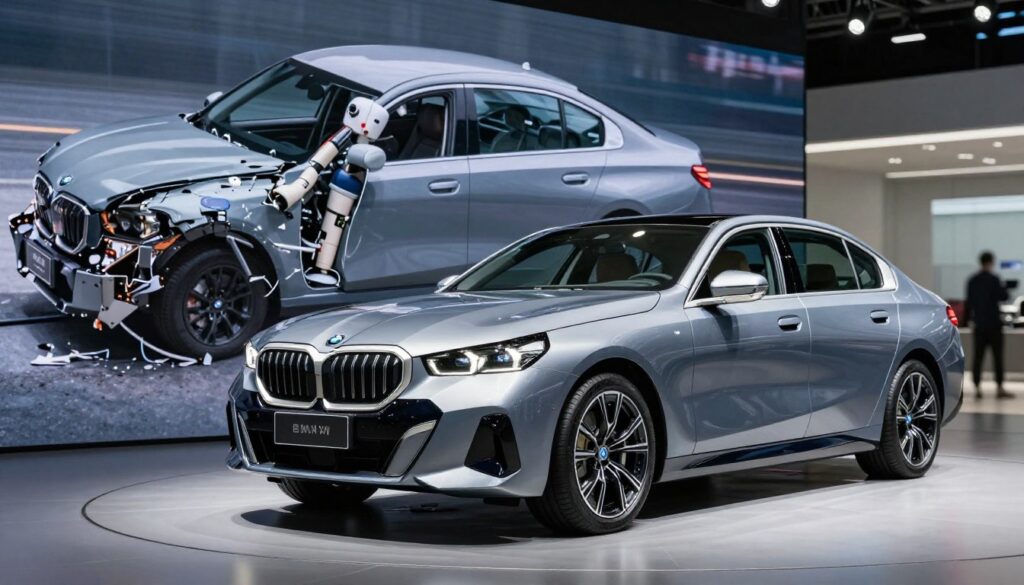
The National Highway Traffic Safety Administration (NHTSA) is a government group. They do crash tests and give star ratings for frontal, side, and rollover crashes. I see these bmw crash test results as a starting point for understanding crash safety.
Their tests mimic real-world crashes drivers face. A five-star rating means a car protects its occupants well. This ensures all cars meet high safety standards.
Insurance Institute for Highway Safety Evaluations
The Insurance Institute for Highway Safety (IIHS) focuses on tough crash scenarios. They test cars in ways that mirror real accidents. For example, the 2025-26 BMW X3 got a “G” (Good) rating in both driver and passenger side tests.
“Safety is not just about passing a test; it is about engineering a vehicle that protects its occupants in the most unpredictable circumstances.”
The table below shows how NHTSA and IIHS differ. It helps you understand the bmw crash test results you see.
| Feature | NHTSA Focus | IIHS Focus |
|---|---|---|
| Primary Goal | Federal Compliance | Advanced Crash Prevention |
| Testing Style | Standardized Star Ratings | Rigorous Overlap Scenarios |
| Key Metric | Occupant Survival | Structural Deformation |
| Industry Impact | Regulatory Baseline | Innovation Benchmarking |
A high bmw safety rating from both groups gives a full picture. I suggest looking at both to find a car that fits your safety needs.
2026 BMW Models: Safety Ratings Overview
Finding the top BMW models for safety means looking at crash test data and structural updates. The brand focuses on keeping occupants safe with advanced engineering. Knowing the latest bmw safety rating helps you choose based on real data.
Newest Introductions in the BMW Lineup
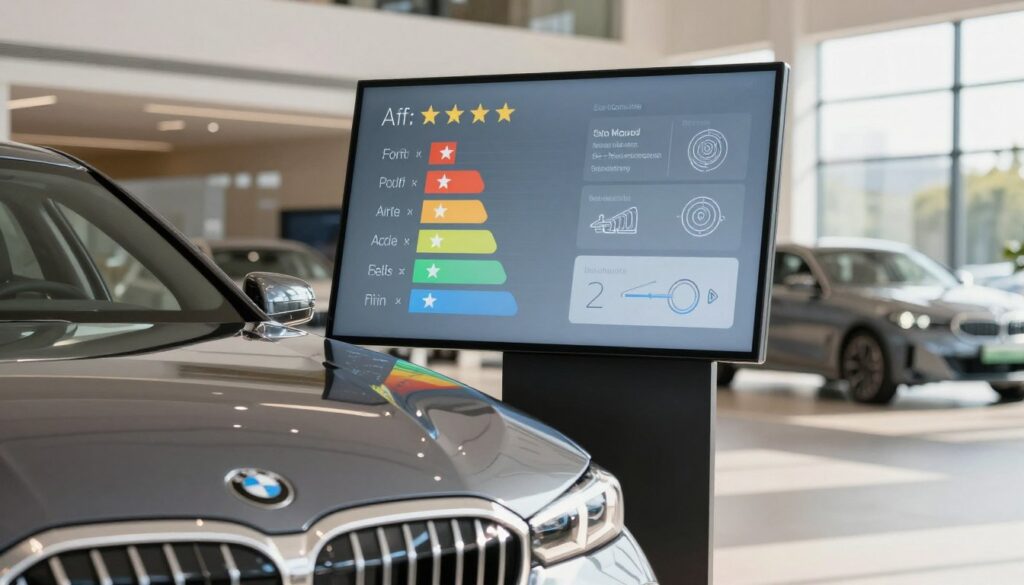
The 2026 BMWs show a focus on both speed and safety. For example, the BMW i4 did well in crash tests. It got a “Good” rating in the IIHS moderate overlap front test, showing it protects the rear seats well.
This shows BMW is meeting new, tougher testing standards. They’ve made the cars stronger and added smart tech to help keep passengers safe. If you’re curious about other brands, check out Toyota’s safety rating to see how they stack up.
Ratings Comparison Among Popular Models
Looking at how different models do in crashes helps us see which ones are safest. Below is a table with safety details for some 2026 BMWs.
| Model | Structural Integrity | Driver Assistance |
|---|---|---|
| BMW i4 | Excellent | Advanced |
| BMW 3 Series | High | Standard |
| BMW X5 | Superior | Comprehensive |
When picking the top BMW models for safety, think about these things:
- Structural Design: Choose models with strong pillars and steel frames.
- Electronic Suites: Make sure they have the latest safety systems.
- Rear-Seat Protection: Go for models that passed the updated IIHS tests.
The current bmw safety rating shows BMW’s ongoing effort to improve. By focusing on these safety features, you can feel secure in your car’s ability to protect you.
BMW vs. Competitors: Safety Ratings Comparison
When looking at premium vehicles, a detailed bmw safety ratings comparison is key. Luxury car makers focus on different safety features. This includes advanced driver aids and how well the car holds up in crashes. By checking how these brands do in tests, you can choose better.
Leading Competitors in the Luxury Segment
The luxury car market is very competitive. Brands like Mercedes-Benz, Audi, and Lexus are always trying to be the safest. You can see a detailed luxury car showdown that shows the differences between these German brands.
Each competitor shines in different safety tests:
- Mercedes-Benz: Praised for its smart pre-safe tech and comfy cabins.
- Audi: Known for its bright lights and stable all-wheel-drive.
- Lexus: Leads in reliability and comes with full safety suites as standard.
How BMW Stands Out
BMW is special because of its dynamic handling and strong structure. While others focus on passive safety, BMW uses active systems to help prevent accidents. This is a big part of BMW’s design.
A deep bmw safety ratings comparison shows BMW does great in tests like pedestrian detection and headlights. BMW tests its cars hard to meet today’s traffic needs. Their focus on precision engineering means their safety features really work in real life.
Innovations in BMW Safety Technologies for 2026
The 2026 model year brings big changes for bmw safety technology. BMW is moving beyond old safety methods to create a safer driving space. These new features aim to make drivers more aware and quick to react in emergencies.
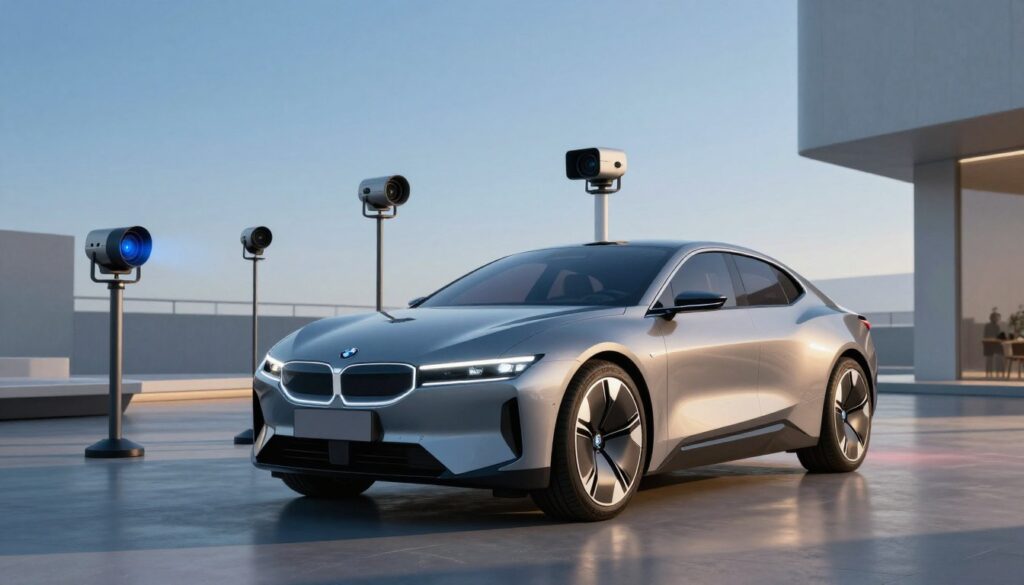
Enhanced Driver Assistance Systems
The latest bmw safety features make the car and road work together better. The new adaptive cruise control is smarter, adjusting speed with traffic. It also keeps the car centered in its lane, making long drives smoother.
These systems act like a co-pilot, watching the road to avoid accidents. They use advanced sensors and cameras to spot dangers humans might miss. This high level of safety is what luxury buyers expect.
Future Technologies in Safety
Future bmw safety features will focus on reducing driver mistakes in busy driving areas. I think the next big thing is artificial intelligence to prevent accidents before they happen. These systems will handle city traffic and unexpected pedestrians with unmatched accuracy.
BMW’s dedication to bmw safety technology keeps it leading in car engineering. By researching future road challenges, BMW sets a new standard for the industry. I’m sure these new features will change what we think of safe driving today.
Real-World Crash Test Performance
Real-world tests show how safe a car really is. While lab tests are important, real accidents are different. Looking at bmw crash test results shows how BMWs are made to keep people safe in crashes.
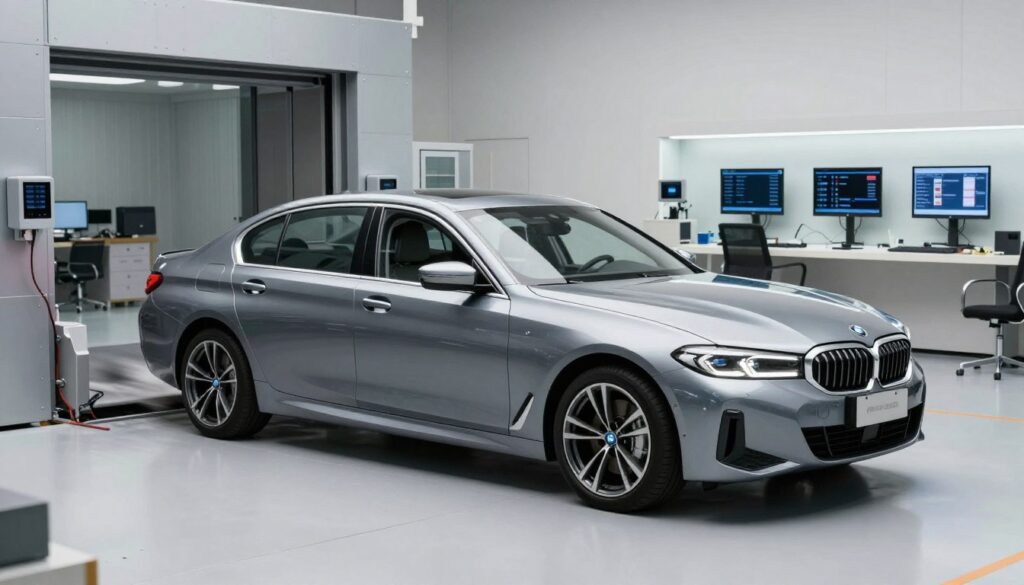
Analysis of Recent Crash Tests
I check how BMWs do in tough tests to see if they’re safe. For example, the BMW i4 got a 4-star Euro NCAP rating in 2022. It scored 87% for adult safety, showing it’s good at absorbing crash forces.
When I compare BMWs to other luxury cars, it’s clear they focus on being strong. You can find out more about the BMW i5’s safety and crash test. This helps me see how safety has improved in BMWs over time.
Case Studies of Safety Features in Action
I’ve seen how BMW’s safety features work in crashes. Side-curtain airbags deploy fast to protect passengers. High-strength steel in pillars keeps the cabin safe in rollovers.
These features work together to spread out crash forces. Here’s a table showing how they help keep people safe in crashes.
| Safety Feature | Primary Function | Impact Mitigation |
|---|---|---|
| Reinforced Pillars | Structural Integrity | Prevents Cabin Intrusion |
| Side-Curtain Airbags | Head Protection | Reduces Whiplash Risk |
| Energy-Absorbing Zones | Force Dissipation | Minimizes G-Force Transfer |
These bmw crash test results show BMW’s dedication to safety. They use both active and passive safety features to protect drivers in tough situations.
Customer Perspectives on BMW Safety Ratings
Crash test scores are important, but they don’t tell the whole story. Real-world users share their experiences with BMW’s safety systems. For many, the bmw safety rating is more than a number; it’s a promise of safety.
Owner Testimonials and Feedback
Many owners say the intuitive nature of BMW’s tech boosts their confidence. They like how the systems only alert them when needed. This balance is key to the bmw safety rating and its real-world use.
But, some find the sensors’ sensitivity tricky at first. Once they get it, the bmw safety features become a big part of their driving. They feel safe and in control, not restricted.
“Knowing that my vehicle is constantly monitoring the road around me provides a level of peace of mind that I simply cannot compromise on when transporting my family.”
Importance of Safety in Purchase Decisions
For families and professionals, safety is a top priority. Buyers often check the bmw safety features before buying. They see these systems as a key investment in their safety.
The table below shows how different groups focus on safety when choosing a car:
| User Priority | Primary Concern | System Preference |
|---|---|---|
| Families | Child Passenger Protection | Advanced Airbag Systems |
| Professionals | Commuter Fatigue Mitigation | Lane Keeping Assistance |
| Performance Enthuasiasts | High-Speed Stability | Dynamic Braking Control |
The human element is key in safety. Feedback shows BMW succeeds by making safety tech feel natural. This trust keeps drivers coming back.
The Role of BMW’s Research and Development
I think the real strength of a luxury car comes from the hard work done before it hits the showroom. BMW’s drive for excellence is clear in their bmw safety technology. They use advanced tools and crash labs to make sure cars are safe in many situations.
Commitment to Safety in Engineering
BMW’s engineers focus on preventing problems before they happen. They use digital models to predict how cars will act in crashes. This meticulous attention to detail helps keep bmw vehicle safety standards high worldwide.
They don’t just follow rules; they try to guess what challenges the future will bring. By adding smart sensors and strong structures, they make cars safer for real-world dangers. This effort is seen when a BMW iX gets the top five-star in tough tests.
Collaborative Efforts with Safety Organizations
BMW doesn’t work alone. It partners with safety groups worldwide to shape car testing. These partnerships help make tests reflect today’s traffic and new car tech.
“Safety is not a static goal but a continuous journey of innovation, requiring constant dialogue between manufacturers and independent safety bodies to protect every life on the road.”
The table below shows the main parts of BMW’s safety research and development:
| Focus Area | Methodology | Expected Outcome |
|---|---|---|
| Digital Simulation | Virtual Crash Testing | Reduced Development Time |
| Sensor Fusion | AI-Driven Perception | Enhanced Hazard Detection |
| Structural Integrity | Advanced Material Science | Improved Impact Absorption |
| Global Compliance | Regulatory Collaboration | Universal Safety Excellence |
By working together, BMW sets high standards for the car world. They blend their own knowledge with outside views to keep safety at the heart of car design.
Understanding the Limitations of Safety Ratings
When looking at how safe are BMW cars, don’t just rely on the score. These numbers give a basic idea but miss the real-world safety. Knowing this helps you make a better choice.
Factors Influencing Ratings
Safety scores aren’t just about how a car holds up in a crash. They also look at extra features that might lower a car’s score. For example, the BMW i4’s seat belt reminder system got a “Marginal” rating from the IIHS.
This score is because the alerts aren’t as constant as the IIHS wants. This can drop a car’s grade, even if it’s very safe. Headlight quality and driver aid systems also affect scores, sometimes more than the car’s physical safety.
The Evolution of Safety Standards
Safety rules keep getting tougher. A car that was top-rated a few years ago might not pass today’s tests. Testing groups update their tests to include new challenges like spotting pedestrians and seeing well at night.
So, comparing old scores to new ones can be tricky. Always check when the safety test was done when you look at how safe are BMW cars. Staying current with these changes helps you see the latest safety features.
Future Trends in Automotive Safety Ratings
Safety ratings are set for a big change. The focus is moving from just crash tests to preventing accidents altogether. This change will make us look at luxury cars in a new way.
Predictions for Upcoming BMW Models
Future BMWs will use AI-driven predictive systems a lot. These systems will help cars avoid accidents before they happen. So, the top bmw models for safety will be those with the best AI and data processing.
BMW engineers are working on making cars smarter. They want cars to learn from how we drive. This way, cars will protect us better, based on how we drive.
The Impact of Autonomous Driving on Safety Ratings
Autonomous driving will change how we test cars. The NHTSA and IIHS will look at software and sensors too. This will change how we compare bmw safety ratings.
With more cars driving themselves, we’ll focus on avoiding accidents. This means cars will need to be very good at avoiding crashes. The future of bmw safety ratings will go to brands that do this well.
Conclusion: The Importance of Choosing a Safe Vehicle
Choosing a new car is all about finding the right mix of performance, luxury, and safety. Looking at the latest bmw safety ratings is key. These ratings show how well a car protects its passengers in emergencies.
Don’t just focus on how a car looks. Check out the bmw crash test results too. Good scores mean the car is built to keep you safe over time.
Today’s cars come with more safety features than ever. Getting a car with top safety ratings is a smart choice for your family. Use this info to feel confident on the road, knowing your car is ready for anything.
FAQ
How safe are BMW cars compared to other luxury vehicles on the market?
BMW cars are known for their safety. The brand invests a lot in making cars safe. BMW often gets the IIHS Top Safety Pick+ award, showing it’s a leader in safety.
What are the standout BMW safety features included in the 2026 lineup?
The 2026 BMWs have great safety features. The Active Driving Assistant Pro and Protection Core are key. They work with systems like Frontal Collision Warning to prevent accidents.
Where can I find the most recent BMW crash test results?
Check the National Highway Traffic Safety Administration (NHTSA) and Insurance Institute for Highway Safety (IIHS) websites. They have the latest bmw crash test results.
Which vehicles are currently considered the top BMW models for safety?
The BMW X5, BMW 5 Series, and BMW i7 are the safest in 2026. They do well in side-impact tests, which are now tougher.
How does the official BMW safety rating account for new driver-assistance tech?
The bmw safety rating looks at more than just crashworthiness. It also checks crash avoidance tech. This includes headlights and automatic emergency braking.
Does BMW use proprietary technology to improve occupant protection?
Yes, BMW uses special tech like the Active Protection System. It prepares for crashes by tightening belts and closing windows. This tech is a big part of BMW’s safety standards.
How have BMW safety standards evolved to meet 2026 requirements?
BMW has updated its safety standards for 2026. It now meets the IIHS’s new test standards. The latest models have better restraints and stronger B-pillars for all passengers.

Hi! I’m Moheen Iftikhar, founder of CarPulsei. Passionate about cars, innovation, and the future of mobility, I create content that keeps automotive enthusiasts informed. From expert reviews and industry trends to driving tips and practical insights — my goal is to help you navigate the automotive world with confidence.