



How to Maximize BMW Fuel Economy in the United States
Did you know American drivers waste millions of gallons of gasoline each year? This is because of bad driving habits. I learned this while driving across the country. My aim is to maximize bmw fuel efficiency while keeping the drive exciting.
I wanted to cut down my monthly costs and help the environment. Making small changes in my daily life has made a big difference. By using smart maintenance and driving tips, I’ve found that these cars can be both strong and fuel-efficient.
In this guide, I share my own story with bmw fuel economy. You’ll find useful bmw fuel saving tips to get the best from your engine. Let’s see how we can improve our driving skills today.
Key Takeaways
- Small driving adjustments lead to major cost savings.
- Regular maintenance is essential for peak performance.
- Balancing power and efficiency is entirely possible.
- Smart habits reduce your overall environmental impact.
- Consistent monitoring helps track your long-term progress.
Understanding BMW Fuel Economy Ratings
Knowing about fuel economy ratings for bmw cars is key for any owner. These ratings are a starting point, but real-world driving often shows different results. By understanding this difference, I can improve my fuel efficiency.
What the Numbers Mean
The Environmental Protection Agency (EPA) sets these ratings through lab tests. These tests mimic city and highway driving to give a standard for buyers. But, they don’t consider my driving style, weather, or traffic.
“Efficiency is not just about the engine; it is about the harmony between the driver’s intent and the vehicle’s engineering.”
The window sticker shows city, highway, and combined MPG. Remember, these are estimates. My actual bmw fuel economy will change based on how I drive.
How to Access BMW’s Fuel Economy Information
Thanks to modern tech, keeping track of my car’s performance is simple. I can check my fuel efficiency through:
- iDrive System: I go to “Vehicle Info” or “Driving Information” on my dashboard for live data.
- My BMW App: This app lets me see my trip history and efficiency trends on my phone.
- Official EPA Website: I check the government site to compare my car with others and see how I stack up.
By regularly checking these sources, I get a clear view of my car’s performance. This info helps me tweak my driving to boost my bmw fuel economy and make driving greener.
Factors Influencing Fuel Economy
To maximize BMW fuel efficiency, I need to look beyond the dashboard. The car’s performance is not just about the engine. It’s a mix of weight, driving habits, and care.

Engine Type and Size
The engine is key to fuel use. Bigger engines use more fuel, but smaller, turbocharged ones are often more efficient.
Modern engines offer great power without too much fuel loss. Yet, pushing them hard always means more fuel use.
Driving Habits and Styles
My driving style greatly affects fuel use. Fast starts and hard braking make the engine work too hard, hurting fuel efficiency bmw.
“Efficiency is not just a technical specification; it is a discipline practiced by the driver behind the wheel.”
Driving smoothly and consistently helps a lot. Anticipating traffic and keeping speeds steady are simple ways to better mileage.
Vehicle Maintenance
The setup of my BMW affects its fuel use. For example, heavy 17″ runflat tires and rims add weight, hurting efficiency.
Lighter rims can help. Also, following the BMW maintenance cost guide for 2026 keeps everything running well. Regular care is key for lasting performance and economy.
- Weight reduction: Consider lighter wheel options to decrease unsprung mass.
- Consistent speed: Use cruise control on highways to maintain steady fuel consumption.
- Regular checks: Monitor tire pressure and engine health to avoid unnecessary drag.
Best Practices for Fuel Efficiency
Making small changes in how I drive has made a big difference. By taking care of my car, it runs better and uses less fuel. These easy steps help me save money on gas.
Routine Maintenance Tips
Regular car service is key to keeping my engine in top shape. I always get my oil changed and air filters replaced on time. This keeps my engine running smoothly and saves fuel, which is great for my car.
Optimal Tire Pressure
I check my tire pressure every month. Keeping it at 36 psi or higher helps my car use less fuel. It also makes driving easier and more efficient.
Using Cruise Control Effectively
On long drives, I use cruise control to save fuel. It keeps my speed steady, which helps my car use less gas. For more tips, I sometimes look at Toyota fuel economy tips and ratings for US drivers.
| Maintenance Task | Impact on Efficiency | Recommended Frequency |
|---|---|---|
| Tire Pressure Check | High | Monthly |
| Air Filter Replacement | Medium | Every 15,000 miles |
| Engine Oil Change | High | Every 7,500 miles |
| Cruise Control Usage | Medium | Highway driving |
Choosing the Right BMW Model
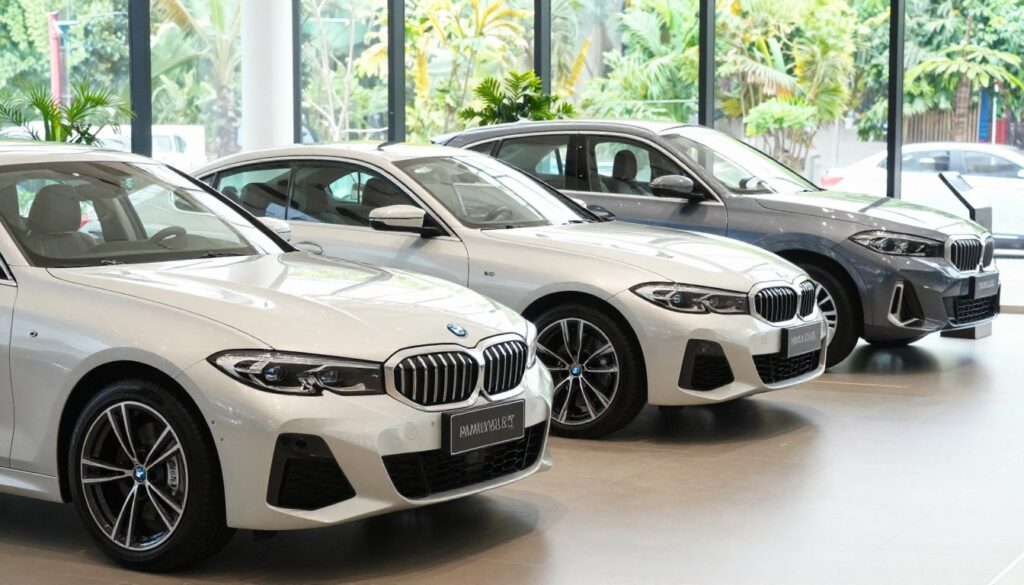
When I search for the best BMW models for fuel economy, I think about my daily driving. I look for a car that fits my commute to save on fuel costs. This way, I can enjoy luxury and superior efficiency together.
Comparison of Fuel Economy Across Models
I compare the fuel efficiency of different BMWs to make a smart choice. Smaller engines are better for city driving, while diesel or aerodynamic sedans save fuel on the highway. Here’s how different engines affect my fuel use.
| Model Series | Primary Engine Type | Efficiency Focus |
|---|---|---|
| 3 Series (330i) | 2.0L Turbocharged | Balanced Commuting |
| 5 Series (530e) | Plug-in Hybrid | City Efficiency |
| X5 (xDrive45e) | Hybrid SUV | Versatile Range |
Hybrid and Electric Options
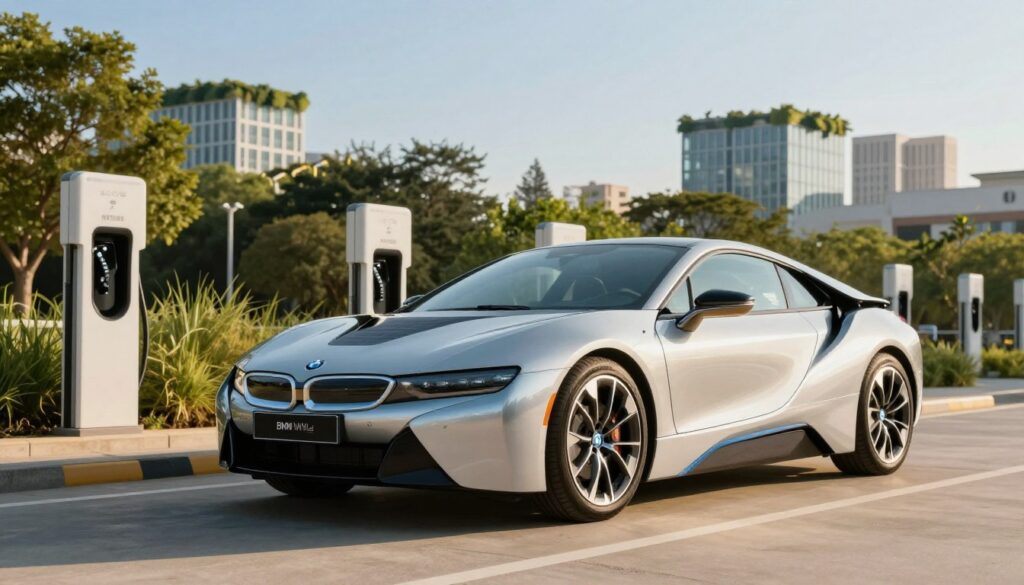
BMW’s electric and hybrid cars are great for saving fuel. They use regenerative braking and electric-only modes. These features cut costs in city traffic.
Deciding between a plug-in hybrid and a fully electric car depends on charging access. Here are the key benefits I look at:
- Reduced emissions in short city trips.
- Less maintenance than traditional engines.
- Electric power for smooth highway driving.
- Tax breaks in many U.S. areas.
Choosing these advanced options means I get a premium BMW experience. I also save money and help the environment. I make sure the car’s range matches my travel needs.
Importance of Proper Tire Maintenance
When I look at the best BMW models for fuel economy, I remember how important tire care is. The way my tires meet the road affects how much energy I need to keep moving. If my tires are not well-maintained, my engine has to work harder, which uses more fuel.

When to Rotate Tires
I always rotate my tires every 5,000 to 7,500 miles. This helps my tires wear evenly. BMWs have special weight distributions, so front and rear tires wear differently. Regular rotation keeps my tires lasting longer and my car handling better.
“Proper tire maintenance is not just about safety; it is the foundation of vehicle efficiency and performance longevity.”
Benefits of Regular Alignment
Keeping my wheels aligned is key to my fuel-saving plan. Misaligned wheels create drag, making my engine work harder. By aligning my wheels correctly, I make sure my best BMW models for fuel economy run smoothly.
The table below shows how regular care keeps my car running well:
| Maintenance Task | Recommended Interval | Primary Benefit |
|---|---|---|
| Tire Rotation | 5,000 – 7,500 Miles | Even Tread Wear |
| Wheel Alignment | Every 10,000 Miles | Reduced Rolling Drag |
| Pressure Check | Monthly | Optimal Fuel Efficiency |
Keeping the contact patch in good shape is key to my driving. By doing these simple checks, I keep my BMW running efficiently on every trip.
Driving Techniques for Improved Fuel Economy
I’ve found that my driving habits are key to improving BMW gas mileage. Making small changes in how I drive leads to big savings over time. These adjustments help me use less fuel every day.
Gentle Acceleration and Braking
One top way to boost BMW mpg is to drive smoothly. I don’t push the gas hard when starting. Instead, I press the pedal gently to reach my speed slowly.
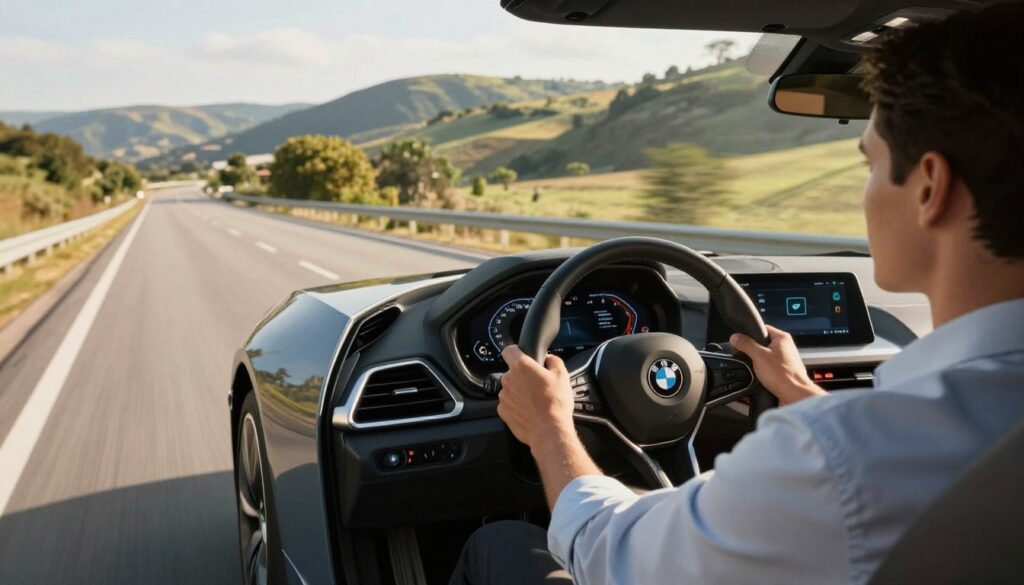
For braking, I use anticipation over sudden stops. I’ve learned that coasting in gear is better than neutral. This way, I save fuel every time I slow down naturally.
The Influence of Speed on Consumption
Keeping a steady speed is key for improving BMW gas mileage on highways. Speed changes make the engine work harder and burn more fuel. So, I keep my speed consistent.
I also watch my cruising speed to avoid high drag. Finding the right speed is one of the best ways to boost BMW mpg on long trips. By avoiding speed changes, my engine stays efficient.
Common Fuel Economy Myths
It’s key to know the difference between marketing tricks and real engineering when you want to improving bmw gas mileage. Many think that adding aftermarket parts will always make their car more efficient. But, the truth is often more complicated. I’ve found that many popular upgrades can actually cause your engine to behave unpredictably.
Debunking Misconceptions
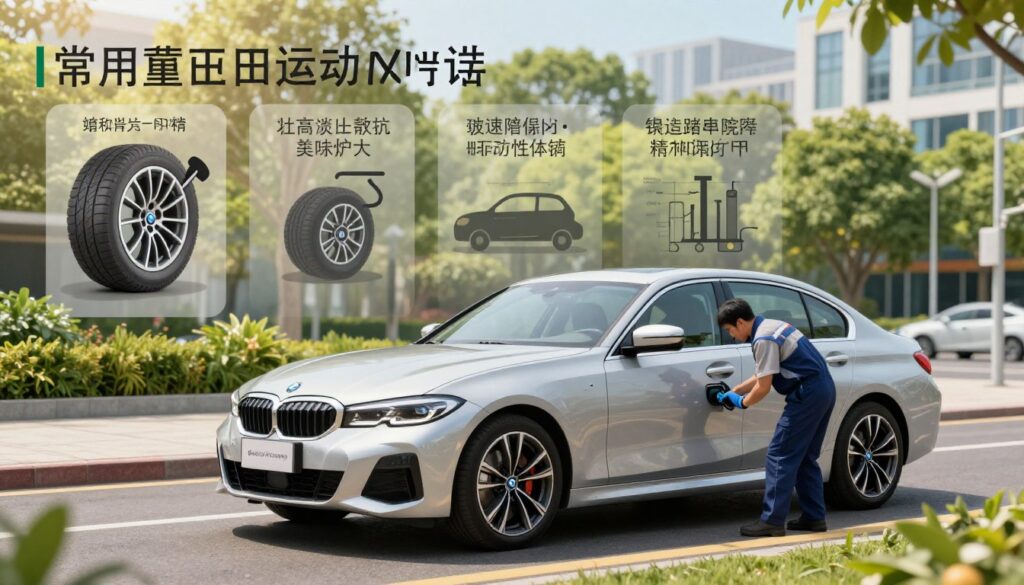
Some people believe that a new air intake or a custom engine tune will save fuel. But, these changes don’t always make your car more efficient. In fact, removing the catalytic converter or using aggressive tunes can upset your car’s balance.
Be careful when thinking about these changes. They can harm your car’s performance or even get you into trouble with the law. It’s wise to check out common fuel efficiency myths to see what really works. Trusting proven engineering is usually safer than following untested claims about performance parts.
Impact of Weight and Load
One of the best ways to boost bmw mpg is to manage the weight in your car. Every extra pound in your trunk makes your engine work harder. I always try to get rid of unnecessary items to keep my car light.
Heavy cargo makes your car harder to accelerate and increases rolling resistance. By keeping your BMW light, you help your engine run more efficiently. This simple step is more effective than expensive, untested upgrades.
| Myth | Reality | Impact on Efficiency |
|---|---|---|
| Aftermarket Tunes | Often increases fuel consumption | Negative |
| Removing Catalytic Converter | Unpredictable engine behavior | Variable |
| Carrying Extra Weight | Engine works harder | Negative |
| Routine Maintenance | Optimizes engine performance | Positive |
Utilizing Advanced BMW Technology
Learning to use my BMW’s technology has made a big difference. It helps me drive more efficiently, making my daily trips better for the planet. These tools are key for anyone wanting to keep their BMW green and perform well.
How Eco Mode Works
Turning on Eco Mode changes how my car runs. It makes the engine and gears work better together. This helps me use less fuel, teaching me to drive smarter.
Another trick is to avoid using the turbo too much. This keeps the engine running smoothly, saving fuel. It’s all about working with my car, not against it.
Benefits of Start/Stop Technology
In the city, Auto Start/Stop is a lifesaver. It turns off the engine when I stop, saving energy. This is a big help in cutting down fuel use.
The BMW Group keeps improving, with new ways to track and improve. Using these features helps me use less fuel and keep my car running well. It’s all about driving smart and green.
The Role of Fuel Quality
The fuel I choose for my BMW is key to its engine’s performance. Many focus on mechanical parts, but fuel quality is just as important. The right fuel keeps my car among the eco-friendly bmw vehicles on the road.
Recommendations for Fuel Types
In the U.S., fuel often has ethanol blends up to 14%. This can lower fuel energy, leading to reduced mileage. Always check your owner’s manual for the right fuel grade.
Using the correct fuel grade is good for your engine. It runs cleaner and more efficiently. This habit is key for eco-friendly bmw vehicles owners.
Benefits of Higher Octane
High-performance BMW engines need high octane fuel. It prevents knocking, or premature combustion. This keeps the engine running smoothly.
Choosing the right octane rating boosts performance and protects your engine. Premium fuel is a small cost for the reliability and efficiency I expect.
Tracking My Fuel Economy
To improve fuel efficiency, I use digital tools and keep manual records. This helps me understand how my driving affects fuel efficiency bmw models. It shows the real performance of my car, not just estimates.
Using Apps to Monitor Efficiency
Today’s tech makes tracking fuel easy. I use apps that connect with my car’s odometer. They show how my driving affects fuel economy ratings for bmw cars over time.
After each fill-up, I log my data. This shows me if my driving is wasting fuel. It’s a great way to meet my efficiency goals.
How to Maintain Accurate Records
I also keep a manual log for extra accuracy. I note the date, miles driven, and fuel added. This checks if my car is running better after changes.
My car’s computer and manual logs might not always match. If they don’t, learn why your trip computer isn’t accurate and how to fix it. Keeping records helps anyone improve their car’s performance. It lets me see if my car is running at its best.
The Future of BMW Fuel Economy
I see a bright path ahead for drivers who value efficiency alongside performance. BMW continues to push boundaries by integrating cutting-edge engineering into every new vehicle design.
Innovations on the Horizon
Engineers are currently refining aerodynamic profiles to reduce drag significantly. These advancements in lightweight carbon fiber materials allow for a more agile chassis. I expect these changes to elevate the standard for bmw fuel economy in the coming years.
Sustainability in BMW’s Vision
The brand remains committed to a greener planet through expanded electrification efforts. By blending high-performance powertrains with smart energy recovery systems, the company ensures that driving pleasure remains intact. I believe these long-term strategies will provide owners with the best possible bmw fuel economy while supporting a sustainable future. Please share your thoughts on these upcoming changes or reach out to your local dealer to test drive the latest efficient models.
## FAQ
### Q: How can I effectively maximize BMW fuel efficiency during my daily commute?
To boost BMW fuel efficiency, I focus on driving habits and settings. I always use Eco Pro mode for better throttle and climate control. I also keep the turbo boost low in traffic to save fuel.
### Q: What are some simple BMW fuel saving tips regarding vehicle maintenance?
One key tip is to keep tire pressure at 36 psi or above. This cuts down on rolling resistance and saves fuel. I also remove extra weight from the trunk to reduce energy use, mainly in city driving.
### Q: Which are currently the best BMW models for fuel economy?
The best BMW models for fuel economy are the “i” and “e” series. Models like the BMW i4 or the BMW 330e plug-in hybrid are top choices. The BMW 3 Series with a 2.0L turbocharged engine also offers great fuel economy.
### Q: Does the weight of my wheels really impact fuel efficiency BMW performance?
Yes, the weight of my car affects fuel efficiency. Stock tires and heavy rims add unsprung weight. Lighter aftermarket wheels reduce rotational mass, improving fuel mileage and handling.
### Q: Are there specific ways to boost BMW mpg through my driving style?
Coasting in gear is more efficient than neutral. It helps the engine management system cut fuel flow. Keeping a steady speed and using cruise control also saves fuel.
### Q: Why does BMW recommend high-octane fuel for better bmw fuel economy?
BMW engines need high-octane fuel for optimal performance. Premium fuel prevents engine knocking and maintains ignition timing. It ensures the engine runs efficiently without knock sensor intervention.
### Q: How does the Start/Stop technology in my BMW help save fuel?
The Auto Start/Stop feature saves fuel in city driving. It shuts the engine off at traffic lights, reducing waste. This technology is key to BMW’s fuel-saving strategies.
### Q: Where can I find the official fuel economy ratings for BMW cars before I buy?
I check the EPA website or BMW USA model pages for fuel economy ratings. These give a baseline, but actual mileage varies based on driving style and maintenance.

Hi! I’m Moheen Iftikhar, founder of CarPulsei. Passionate about cars, innovation, and the future of mobility, I create content that keeps automotive enthusiasts informed. From expert reviews and industry trends to driving tips and practical insights — my goal is to help you navigate the automotive world with confidence.