


Tesla Pros and Cons: What US Buyers Must Consider
Did you know over 1.2 million electric vehicles were sold in the US last year? This huge move to battery cars has changed our view of driving. Choosing the right car now means looking beyond the latest trends.
In this article, I dive into the real side of owning these popular cars. I go beyond the excitement to give you a balanced view. By looking at the tesla pros and cons, I help you see the true worth of your choice.
I examine how these cars perform in real life, their upkeep costs, and the current charging setup. My aim is to help you decide if these cars fit your lifestyle. This guide is a comprehensive resource for understanding the modern car market.
Key Takeaways
- Electric vehicle adoption is rapidly increasing across the United States.
- Evaluating ownership requires looking past marketing hype to real-world data.
- Charging infrastructure remains a critical factor for long-distance travel.
- Maintenance needs differ significantly from traditional internal combustion engines.
- Personal driving habits dictate whether these vehicles are a practical choice.
Overview of Tesla Vehicles
Tesla is leading the electric car revolution in the auto industry. It has grown from a small innovator to a major player. Now, it sells almost two-thirds of all electric vehicles in the U.S. This makes it the top choice for both other car makers and buyers.
Electric Vehicle Market Context
Tesla is at the heart of the global move to electric cars. Its influence shapes how other car makers design and build their cars. If you want to see all the Tesla models, check out a Tesla car models list to find your perfect electric car.
Being the top seller isn’t just about numbers. It’s about setting high standards for performance and efficiency. Tesla keeps pushing what’s possible, making it the go-to choice for those switching from gas cars. Their large scale means they offer reliability and support that others can’t match.
Tesla’s Mission and Innovations
Tesla’s main goal is to help the world switch to sustainable energy. This mission guides every choice they make, from design to final product. It shows in their unique approach to keeping cars updated and efficient.
Unlike others, Tesla uses over-the-air software updates to improve cars after they’re sold. These updates, along with hardware upgrades, keep cars modern and efficient for years. This approach creates a loyal community that supports Tesla’s vision for the future.
Advantages of Owning a Tesla
My time with electric cars has shown Tesla’s unique benefits. It’s key to weigh tesla advantages disadvantages before buying. Knowing the tesla pros and cons explains why many prefer Teslas over gas cars.
Cutting-Edge Technology Features
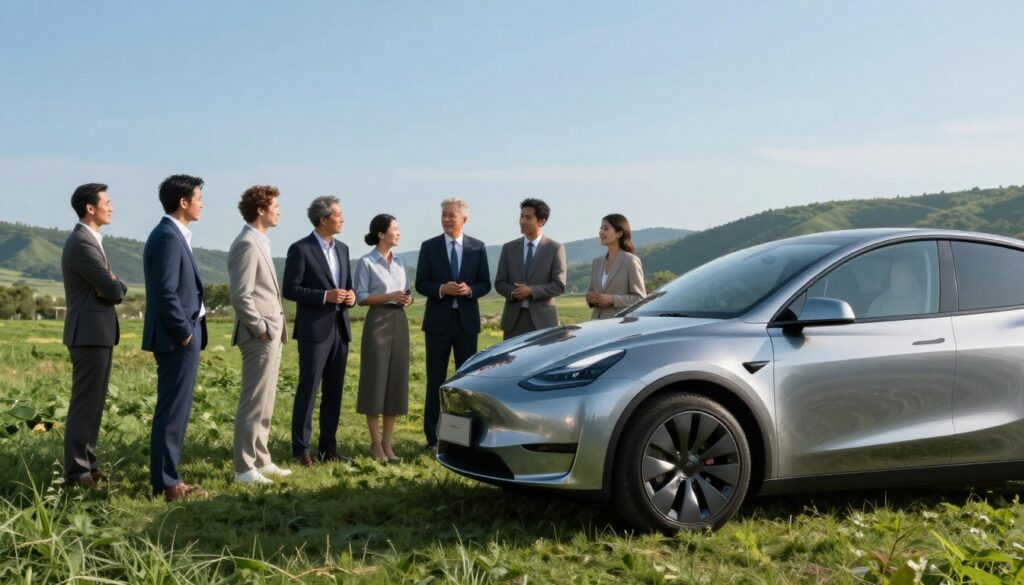
The Tesla’s interior feels like the future. Its simple design, with a big touchscreen, is a big plus. The car stays new with regular software updates.
The car’s updates are a big plus. They improve range, safety, and fun without a visit to the shop. This keeps the car feeling fresh.
Environmental Benefits
Driving a Tesla helps the planet by cutting emissions. The tesla strengths weaknesses show its green edge. It’s a big step toward a cleaner commute.
The electric motor is super efficient. Charging at home with green energy makes it even better. Tesla’s focus on green energy is clear.
Performance and Acceleration
Tesla’s drive is amazing. The electric motors make merging easy. The Model S Plaid’s speed is unmatched.
The quick 0-60 mph is thrilling. It’s not just fast; it’s precise and stable. The car’s design makes corners smooth.
| Feature Category | Tesla Positive | Tesla Negative |
|---|---|---|
| Performance | Instant torque and acceleration | High tire wear from power |
| Technology | Frequent software updates | Steep learning curve for UI |
| Sustainability | Zero tailpipe emissions | Battery production impact |
| Overall Value | Low maintenance costs | Higher initial purchase price |
Looking at tesla pluses minuses helps decide if it’s right for you. Teslas offer tech and speed that’s hard to beat. For those who value efficiency and speed, Teslas are a great choice.
Disadvantages of Owning a Tesla
Every car has its downsides, and knowing the tesla pros and cons is key for anyone thinking of buying one. Tesla is known for innovation, but owning one comes with financial and practical challenges. These need careful thought.
Purchase Price and Financing Options
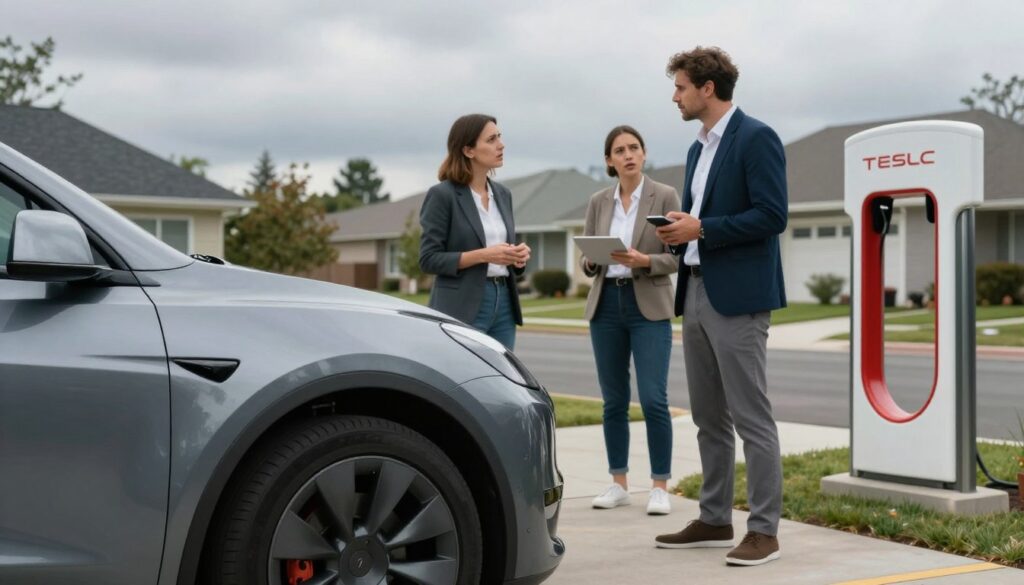
The high starting cost is a big hurdle when looking at the tesla advantages disadvantages. Even with financing plans, the initial cost is often higher than traditional cars.
It’s wise to check your budget to make sure you can afford it in the long run. You might want to look at a tesla battery range comparison to see if the price fits your driving needs.
Limited Charging Infrastructure
The charging network is a big topic when discussing the tesla benefits drawbacks. The Supercharger network is big, but getting charged in rural areas can be tough.
“The transition to electric mobility is promising, but infrastructure must keep pace with the rapid adoption of these vehicles in remote areas.”
When looking at the tesla strengths weaknesses, think about these charging issues:
- Geographic Gaps: Not enough chargers in rural or mountainous areas.
- Wait Times: Busy stations during holidays.
- Home Setup: Needing a wall connector for best charging.
Reliability and Repair Concerns
Examining the tesla good bad points means looking at maintenance costs. Electric cars have fewer parts, but repairs can be expensive.
It’s important to know about repair costs after the warranty ends. For example, a new battery can cost over $16,000. That’s a big expense.
When considering the tesla pluses minuses, service center availability is another issue. In the end, weighing the tesla merits demerits helps you understand what owning a Tesla really means.
The Impact of Autopilot and Full Self-Driving
Tesla’s approach to vehicle automation has changed how I see driving. The idea of a self-driving car is exciting. But, it’s important to know the difference between what’s promised and what’s real.
Understanding this technology is complex. To learn more, you can read about Tesla Autopilot explained. This will help you make an informed choice before buying.
Understanding the Current Capabilities
Many think these cars are fully self-driving. But, they are actually driver-assistance systems. They are not meant to replace human control.
The software helps with steering, accelerating, and braking. But, the driver must always be ready to take control. Constant vigilance is essential for safety.
Potential Safety Benefits
These advanced features offer big advantages for long drives. They help with tasks like keeping speed and staying in the lane. This reduces driver fatigue.
The main benefit is the car’s quick reaction to traffic. This proactive safety layer acts as a digital co-pilot, adding extra eyes on the road.
Ethical Considerations in Autonomous Driving
The rise of semi-autonomous tech raises tough ethical questions. If a system fails while the driver is in control, who is to blame?
There’s also the moral weight of trusting software in emergency situations. As a driver, I know technology is powerful. But, I’m always responsible for the car’s path.
Tesla’s Environmental Footprint
Driving an electric car has its own environmental costs, mainly in battery production and recycling. It’s important for consumers to know how these cars are made. While making any car uses resources, electric cars offer long-term benefits that make up for the initial environmental cost.
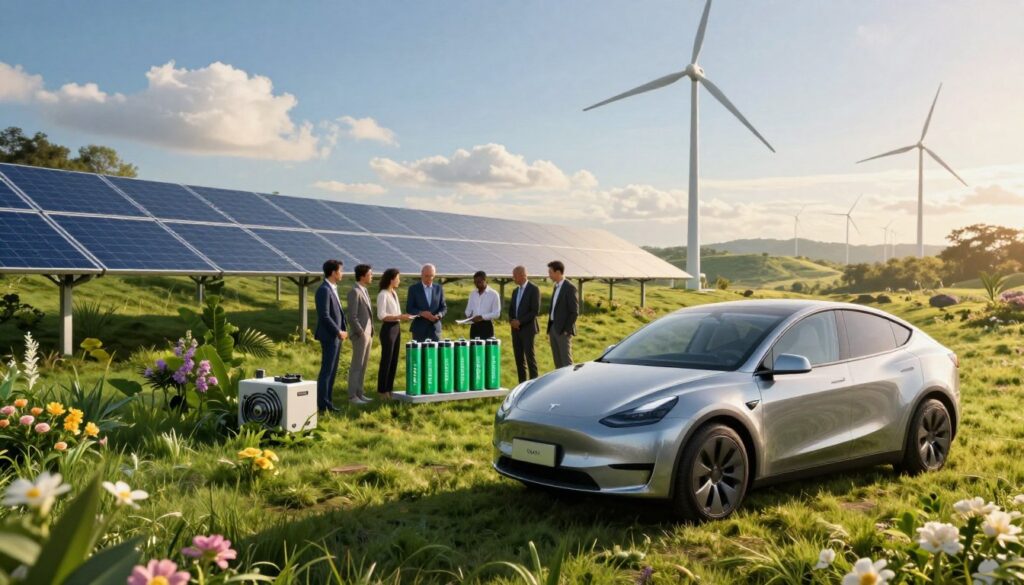
Battery Production and Sustainability
Tesla works to cut down its carbon footprint by improving its manufacturing. The company uses energy-efficient production to reduce waste in making lithium-ion cells. By growing its Gigafactories, Tesla aims to use less energy for each battery kilowatt-hour.
Sustainability is a big deal for Tesla, not just a buzzword. Engineers keep working to make batteries use fewer rare earth metals. This helps avoid the environmental harm from traditional mining.
“The transition to sustainable energy is not just about the vehicle itself, but about the entire lifecycle of the energy storage systems that power our future.”
Recycling and Lifespan of Batteries
Electric vehicle technology is impressive, with batteries lasting up to 500,000 miles. This means batteries don’t need to be replaced often. This reduces the environmental impact over the car’s life.
When a battery’s time is up, it doesn’t go to a landfill. Tesla has a strong recycling program to get valuable materials like cobalt, nickel, and copper. These are then used to make new batteries.
| Lifecycle Stage | Environmental Focus | Primary Benefit |
|---|---|---|
| Raw Material Sourcing | Ethical Mining | Reduced Habitat Impact |
| Manufacturing | Energy Efficiency | Lower Carbon Footprint |
| Vehicle Usage | Zero Emissions | Improved Air Quality |
| End-of-Life | Material Recovery | Circular Economy |
Charging Options for Tesla Owners
Charging convenience is key for electric vehicle owners. It affects how much you enjoy your car. Reliable access to energy makes owning a car stress-free.
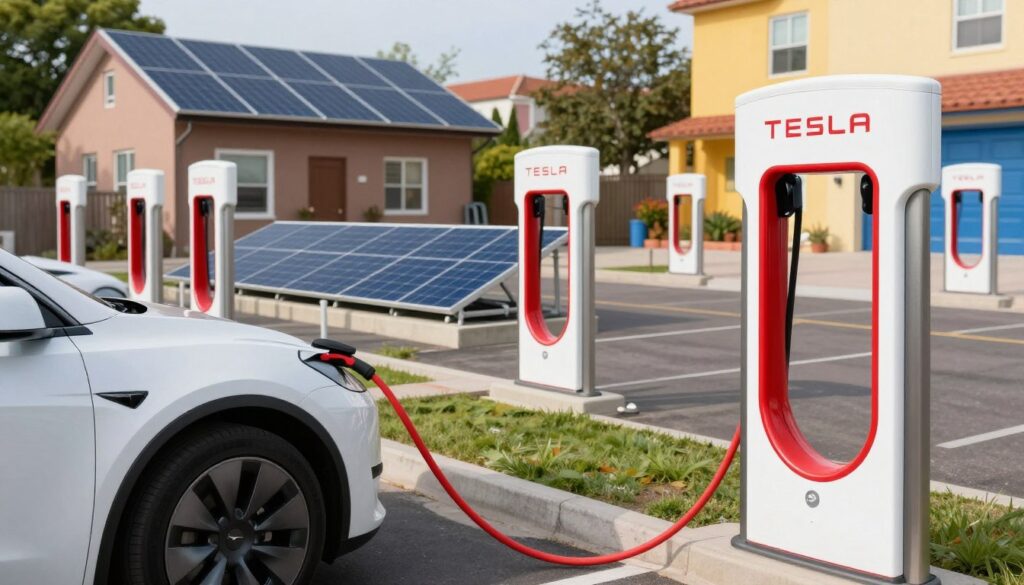
Home Charging vs. Supercharging Stations
I mostly charge my car at home. It’s incredibly convenient because I wake up with a full battery. This means I don’t need to stop at gas stations every day.
For long trips, I use Supercharger stations. They’re along highways, making long drives easy. Home charging is great for daily use, but Superchargers are essential for long trips.
Costs and Time Considerations
Charging time varies. At home, it’s slow but efficient. But Superchargers can charge a lot in just 20 minutes.
Charging at home saves money compared to gas. Strategic planning helps me save time and money all year.
Insurance Considerations for Tesla Vehicles
When I think about the cost of a Tesla, insurance is a big part. These cars have advanced tech and special materials. They don’t fit into usual coverage types. It’s key to look into your options well before buying.
Typical Insurance Costs
Insurance companies often see Teslas as luxury cars, which means higher costs. Repairing these cars can be pricey because of their unique parts and systems. For a clear view of these costs, check out Tesla insurance reviews.
“The complexity of modern electric vehicles means that repair shops require specialized training and equipment, which inevitably influences the insurance market.”
Here are some key things that can affect your electric vehicle coverage:
- Repair Complexity: Special parts need certified techs.
- Vehicle Value: Cars with high MSRPs cost more to replace.
- Safety Tech: After a crash, advanced systems can be pricey to fix.
Factors Affecting Premiums
Your driving history is the biggest factor in your rates. Insurers look at your claims and tickets to judge your risk. But, Teslas have safety features that might lower your risk over time.
Here’s a table showing what insurers check when setting your monthly premiums:
| Factor | Impact on Cost | Owner Control |
|---|---|---|
| Driving Record | High | High |
| Location | Medium | Low |
| Safety Features | Low | None |
Tesla also offers its own insurance in some places. It uses your driving data to adjust your rates. This can be a big help for safe drivers who want to save on insurance premiums. Keeping a clean record and using the car’s safety tech can help manage costs over time.
Tesla’s Resale Value
Tesla cars have found a special place in the used car market. They often keep their value better than most cars. This makes them a smart choice for those looking to save money in the long run. Knowing how these cars hold their value is key to making a smart financial choice.
“The best way to predict the future is to create it, and in the automotive world, that means building vehicles that remain relevant long after they leave the showroom floor.”
Market Trends and Predictions
The used electric car market is changing fast. This is because of quick software updates and new hardware. Tesla cars can get new features without going to the shop. This keeps them valuable for a long time.
But, big changes in hardware can sometimes lower the price of older cars. As new tech becomes common, older cars might not be as sought after. Yet, Tesla’s good name keeps buyers interested in used electric cars.
Factors Influencing Resale Value
Several things affect how much your car will be worth when you sell it. The condition of the battery is very important. Taking good care of it helps keep the car’s value high.
Other important factors include the car’s maintenance history. Keeping records of service and keeping the car in good shape helps its value. By focusing on these, you make sure your investment stays valuable for a long time.
Customer Experience and Support
Understanding how Tesla handles service and owner support is key for anyone thinking of buying a Tesla in the United States. Unlike other car brands, Tesla uses a direct-to-consumer model. This means I deal directly with Tesla for maintenance and repairs.
I manage most of my service needs through the Tesla mobile app. This digital-first approach is meant to make things easier. But it does change how I expect to communicate and wait for service.
Tesla’s Customer Service Reputation
The reputation of Tesla’s service department is often discussed among owners. Tesla sends mobile service units to my home or workplace for minor repairs. This saves me from waiting in a traditional waiting room for hours.
For more complex issues, I need to visit an authorized service center. With Tesla’s growing fleet, wait times can be longer in busy areas. It’s smart to plan ahead and use the app to track your vehicle’s status.
Resources for Owners and Enthuasiasts
There’s a huge support system for owners beyond official channels. Online forums and enthusiast communities are great for troubleshooting and sharing proactive maintenance tips. They often offer quicker answers than official support for non-critical questions.
Being part of these groups helps me learn more about my vehicle. Whether it’s about tire rotations or software updates, the community’s knowledge is invaluable. Here’s a comparison of the traditional dealership model and Tesla’s service.
| Feature | Traditional Dealership | Tesla Service Model |
|---|---|---|
| Scheduling | Phone call or walk-in | Mobile app integration |
| Service Location | Fixed dealership site | Mobile units or service centers |
| Communication | Service advisor interaction | In-app messaging and updates |
| Support Network | Manufacturer-backed dealers | Community forums and app support |
Future of Tesla and Electric Vehicles
The car world is changing fast, with a focus on green energy and making cars better. Tesla is leading the way by improving battery life and car tech. Knowing the good things about electric cars shows how they fit into our economy.
Upcoming Models and Technological Evolution
New car designs and making methods aim to cut costs and boost range. I think Tesla’s next cars will have even better batteries, lasting longer. This will make fast electric cars more affordable for more people.
Economic Impact and Consumer Standards
Electric cars are changing how we see travel and energy safety. They use home power like wind, sun, and nuclear, cutting down on oil imports. This change makes the whole car world rethink how to be efficient. When you pick a car now, you’re part of a big move toward cleaner, stronger roads.
FAQ
Electric Vehicle Market Context
Tesla has grown from a small startup to a leader in electric vehicles in the US. It now accounts for nearly two-thirds of all EVs sold here. This shift has pushed the whole industry toward electric cars.
Tesla’s Mission and Innovations
Tesla aims to make the world more sustainable. It updates its cars with new features through software, not just new models. This constant improvement makes Tesla a benchmark for modern cars.
Cutting-Edge Technology Features
The Model 3 and Model Y have a futuristic feel. They offer gaming, streaming, and advanced navigation. This tech is unmatched by many competitors.
Environmental Benefits
Driving a Tesla means no emissions. This helps reduce carbon footprints. It also makes the air cleaner and supports sustainable living.
Performance and Acceleration
Tesla cars are fast, thanks to electric motors. The Tesla Model S Plaid goes from 0 to 60 mph in 1.9 seconds. This speed was once only for supercars, but Tesla makes it affordable.
Purchase Price and Financing Options
The high cost is a big hurdle for many. Even with tax credits, Teslas are pricier than gas cars. Buyers should look closely at financing options and their budget.
Limited Charging Infrastructure
The Supercharger network is top-notch but not everywhere. In rural areas, charging can be a challenge. Apartment dwellers face extra hurdles.
Reliability and Repair Concerns
High maintenance costs are a worry. A new battery can cost around ,000. The unique build process can also lead to longer wait times for repairs.
Understanding the Current Capabilities
Autopilot is advanced but not fully self-driving. It helps with steering and braking but drivers must stay alert. It’s not a “set it and forget it” system.
Potential Safety Benefits
These systems can reduce accidents. They help maintain safe distances and can intervene in emergencies. This is a big step forward for road safety.
Ethical Considerations in Autonomous Driving
Autonomous driving raises ethical and legal questions. Who is responsible in software-related incidents? These debates shape the future of self-driving technology.
Battery Production and Sustainability
Battery production is energy-intensive but Tesla is working to improve. It aims to source materials ethically and reduce carbon emissions. This is key to Tesla’s sustainability goals.
Recycling and Lifespan of Batteries
Tesla batteries last up to 500,000 miles. The company plans to recycle 100% of its batteries. This ensures valuable materials are reused, not wasted.
Home Charging vs. Supercharging Stations
Home charging is convenient, but Superchargers are essential for long trips. A 20-minute stop can give you enough range to continue your journey.
Costs and Time Considerations
Home charging is cheaper than gas, but Supercharger prices have risen. View Supercharging as a premium service for travel. The time saved on daily commutes makes up for the cost.
Typical Insurance Costs
Insurance for Teslas can be higher due to their unique features. Get an estimate before buying to ensure it fits your budget.
Factors Affecting Premiums
Your driving record is key, but Tesla’s own insurance product uses real-time data. This can help safe drivers lower their costs.
Market Trends and Predictions
Teslas hold their value well, but recent price cuts have introduced volatility. The used market is becoming more competitive as other brands enter.
Factors Influencing Resale Value
To get the best resale value, focus on battery health and software updates. A well-maintained Tesla with a clean battery report will command a premium.
Tesla’s Customer Service Reputation
Buying a Tesla is unique, with no dealerships or haggling. While convenient, the lack of a physical service network can be a drawback for some.
Resources for Owners and Enthuasiasts
The Tesla community is vast and supportive. Online forums and local clubs offer help. You can usually find answers to questions quickly thanks to this network.
Upcoming Models and Innovations
The Cybertruck and next-generation platform are exciting. Tesla’s move toward more affordable models could make electric driving mainstream.
The Role of Electric Vehicles in the US Economy
Tesla’s growth in Texas and Nevada is boosting the US economy. The shift to electric vehicles is creating jobs and shaping the future of transport.
What are the most significant tesla pros and cons for a first-time buyer?
The main pros include leading technology and the Supercharger network. The cons are the high price and wait times for repairs. These are key considerations for first-time buyers.
How do the tesla advantages disadvantages compare when looking at performance?
Performance is a big win for Tesla. Models like the Model S Plaid are incredibly fast. The minimalist interior and touchscreen reliance can be a drawback for some.
What are the tesla good bad factors regarding long-term maintenance?
One good point is the fewer moving parts, meaning less maintenance. A bad point is the high cost of repairs out of warranty. For example, a new battery can cost around ,000.
What are the tesla pluses minuses of the current charging infrastructure?
The Supercharger network is a big plus, but rural access is a minus. Home charging is convenient, but finding a Supercharger on long trips can be a challenge.
What are the tesla merits demerits concerning environmental impact?
The merits include long-lasting batteries and reduced carbon footprint. The demerits are the environmental cost of lithium mining and the energy needed for battery production. These are offset over the vehicle’s lifespan.
How do tesla strengths weaknesses manifest in terms of insurance costs?
Insurance is a weakness for Teslas. They are often seen as luxury vehicles with high repair costs. This leads to higher premiums than for gas cars.
What are the tesla positive negative aspects of using Autopilot?
Autopilot is convenient but requires constant attention. It helps with driving but can lead to safety risks if drivers become distracted.
What are the tesla benefits drawbacks of the brand’s unique customer service model?
The benefits include mobile service and convenience. The drawbacks are the lack of dealerships and limited service options in remote areas.

Hi! I’m Moheen Iftikhar, founder of CarPulsei. Passionate about cars, innovation, and the future of mobility, I create content that keeps automotive enthusiasts informed. From expert reviews and industry trends to driving tips and practical insights — my goal is to help you navigate the automotive world with confidence.