


Tesla vs Gas Cars Cost Explained: What You Need to Know
Did you know the average American household spends over $2,000 a year on fuel for their car? This huge amount often hides the real cost of driving. When looking at the financial landscape of driving today, choosing between electric and gas cars is key for your budget.
I want to give you a detailed look at this complex market. By checking out fuel, maintenance, and long-term costs, I’ll help you understand your next car purchase. Whether you’re looking at a Tesla car models list or sticking with a gas car, knowing these details is important.
Making an informed choice means looking beyond the initial cost. I’ll show you how to compare short-term costs with long-term savings in the U.S. market.
Key Takeaways
- Total ownership expenses are vital for every smart buyer to consider.
- Electric vehicles often provide lower maintenance and fuel requirements over time.
- Initial purchase prices may be higher, but long-term savings frequently offset this gap.
- Home charging remains the most efficient way to manage your energy budget.
- Federal and state tax incentives can significantly lower your final investment.
Introduction to Tesla vs Gas Cars Cost
The debate on vehicle costs has changed a lot in 2025. Now, looking at the cost of electric and gas cars means more than just the price tag. It’s about how your driving habits and energy rates affect your costs.
Overview of Electric Vehicles and Gas Cars
Electric cars and gas cars work in different ways. Gas cars have complex engines, while electric cars use simple battery-powered motors. This difference leads to long-term savings for electric car owners.
Importance of Understanding Costs
Many people only look at the initial cost of a car. But, this view is incomplete. It’s important to consider the total cost of owning a car, as experts say:
“The true cost of a vehicle is not found on the window sticker, but in the miles driven and the maintenance avoided over the life of the car.”
By understanding these costs, you can avoid unexpected expenses over time. This helps you make a choice that fits your financial goals.
What to Expect in This Comparison
In the next parts, we’ll look at key factors that affect the cost of electric and gas cars. We’ll talk about fuel efficiency, maintenance, and how depreciation impacts your investment. If you’re choosing between models, check out a tesla battery range comparison to find the right car for you.
I aim to give you a clear, fact-based guide for your next car purchase. By considering these factors, you’ll be ready to choose the best value for your lifestyle.
Purchase Price Comparison
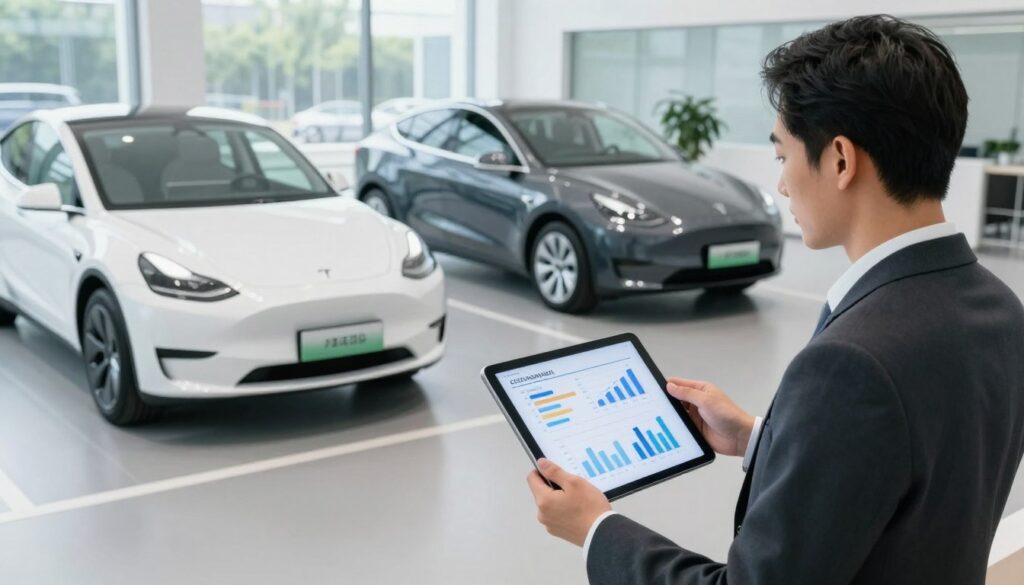
When I look at buying a new car, the sticker price is just the start. A detailed electric vehicle cost analysis shows that the real cost has many parts. It’s important to see how these vehicles compare over time.
Average Cost of Tesla Models
Tesla cars usually cost more than basic economy cars. Looking at a tesla car models list, you’ll see the price is due to tech and performance. Yet, these prices include the advanced batteries and software that make Tesla unique.
Average Cost of Gas Vehicles
Gasoline cars are often cheaper to start with. You can find many internal combustion engine vehicles at lower prices. This makes the tesla vs gasoline car price difference seem big at first. But, the lower cost is why many people choose traditional fuel cars.
Initial Incentives for Electric Vehicles
Government support can make electric cars more affordable. Tax credits and rebates can cut the price by thousands. These incentives help make electric cars more accessible to everyone.
| Vehicle Category | Typical Price Range | Incentive Potencial |
|---|---|---|
| Entry-Level Gas Sedan | $22,000 – $30,000 | Minimal |
| Mid-Range Tesla | $40,000 – $55,000 | High (Federal/State) |
| Luxury Gas SUV | $50,000 – $70,000 | Minimal |
Using these financial tools can make the tesla vs gasoline car price difference easier to handle. I think doing a thorough electric vehicle cost analysis before buying is wise. It helps protect your budget.
Fueling Costs: Electricity vs Gasoline
Switching to an electric car has shown me huge savings. My monthly budget shows the tesla cost savings over gas cars right away. It’s clear that electric cars are cheaper.
Cost Per Mile with Tesla
Charging my car at home is much cheaper than gas stations. Electric motors are very efficient, so I spend less on fuel. Consistency in electricity rates makes planning my expenses easier.
Cost Per Mile with Gas Cars
Gas cars, on the other hand, lose a lot of energy as heat. When I look at tesla vs fossil fuel car expenses, gas prices are hard to predict. Small changes in oil prices can raise my weekly costs a lot.
Factors Influencing Fuel Prices
Many things affect how much I pay for fuel. Electricity prices are usually steady, unlike gas prices. Gasoline prices change due to world events, refining, and demand.
In the long run, electric cars save money because they’re more efficient. By using less fossil fuel, I protect my budget from gas price ups and downs.
Maintenance and Repair Expenses
Electric vehicles change the way we think about car service. They don’t have the complex engines of gas cars. This means they need less upkeep, saving owners money over time.
Typical Maintenance Costs for Teslas
Driving a Tesla means I don’t worry about oil changes or spark plug replacements. These are not needed in electric cars. Plus, regenerative braking helps my brakes last longer, saving me money.
Maintenance Costs for Gas Cars
Gas cars have many parts that wear out, leading to higher costs. For a better idea, check out Toyota maintenance costs for gas cars. Owners of gas cars often face more frequent repairs and maintenance.
Longevity and Reliability Considerations
As Teslas get older, the savings become clearer. They have fewer parts that can break, leading to fewer repairs. This makes them reliable and efficient, giving owners peace of mind and lower bills.
Resale Value and Depreciation Rates
Knowing how much your car will be worth in the future is key. When I look at the tesla vs gasoline car price difference, I see that depreciation is a big cost. It’s the hidden cost that slowly eats away at your investment.
Tesla’s Resale Value Trends
Tesla cars usually hold their value better than many other cars. This is because Tesla can update their cars with new features through the air. This keeps the car feeling new for longer, unlike other luxury cars that quickly lose value.
“The best way to predict the future is to create it, and in the automotive world, that means building vehicles that improve with age.”
Gas Car Depreciation Insights
Gas cars often lose value faster because there are so many used cars out there. As new cars come out, older gas cars become less appealing. This is because they don’t meet the latest fuel efficiency standards. Tesla’s value stays strong compared to gas cars, which quickly lose value.
| Vehicle Type | Depreciation Rate | Key Value Driver |
|---|---|---|
| Tesla | Moderate | Software Updates |
| Gas Car | High | Market Saturation |
| Hybrid | Low to Moderate | Fuel Efficiency |
Factors Affecting Resale Value
Many things affect how much your car will be worth when you sell it. For electric cars, the health of the battery is key. Keeping your car in good shape and up to date is important to protect its value.
Your driving habits and the car’s condition also matter a lot. By taking care of these, you can make sure your electric car stays valuable for a long time.
Incentives and Tax Breaks for Electric Vehicles
Government incentives make electric cars more affordable. They are key when doing an electric vehicle cost analysis. These benefits can make a big difference for many families.
Federal Tax Credit for Teslas
The federal government offers a big tax credit. It can cut your taxes by thousands of dollars. The amount depends on the model and battery.
Make sure you check if you qualify. This includes your income and where the car was made.
Financial incentives are the main reason for more people using electric cars in the U.S.
State and Local Incentives
There are also state and local perks. States give cash rebates, and cities offer lower fees or free HOV lane access. These extras add real value.
Learn more about these benefits in this electric vehicle cost analysis guide. Using these programs can make your car purchase more worthwhile.
Impact of Incentives on Overall Cost
When I look at the total cost of owning an electric car, I include these incentives. A detailed electric vehicle cost analysis shows they can make up for the higher initial cost. The table below shows how these savings can affect your budget.
| Incentive Type | Potential Savings | Impact Level |
|---|---|---|
| Federal Tax Credit | Up to $7,500 | High |
| State Rebates | $500 – $5,000 | Medium |
| Utility Credits | $200 – $1,000 | Low |
Insurance Costs for Tesla vs Gas Cars
Insurance costs are a big part of owning a car. When looking at electric car ownership expenses, it’s important to think about more than just the monthly payment or how much fuel you save. The cost of insurance can change a lot, depending on the car’s tech, repair costs, and safety features.
Average Insurance Rates for Tesla Vehicles
Tesla cars usually cost more to insure than gas cars. This is because of the advanced technology and special parts needed for repairs. Tesla’s use of unique software and materials makes finding a certified repair shop expensive for insurers.
These costs show the high-tech nature of Tesla cars. Even though the initial premium is higher, the car’s reliability over time helps balance the costs.
Insurance Rates for Gas-Compatible Models
Gas cars, on the other hand, have a well-established repair network. Their parts are widely available, and mechanics know how to work on them. This leads to lower repair costs, which keeps insurance premiums steady.
When I compare this to electric cars, gas cars often have lower insurance bills. But, electric cars save on fuel and maintenance, which can offset the higher insurance costs.
Safe Driving Discounts and Electric Cars
To manage my electric car ownership expenses, I use special insurance programs. Tesla offers its own insurance in some states, which uses driving data to set premiums. Keeping a high safety score can lower my monthly costs a lot.
Many traditional insurers also give discounts for electric cars because of their safety features. It’s a good idea to check if your provider offers these incentives for cars with collision avoidance tech.
| Factor | Tesla Vehicles | Gas Vehicles |
|---|---|---|
| Repair Complexity | High (Specialized) | Low (Standard) |
| Insurance Premiums | Typically Higher | Typically Lower |
| Safety Discounts | High (Telematics) | Moderate |
| Part Availability | Limited | Widespread |
Environmental Costs and Benefits
The cost of driving goes beyond fuel and maintenance. Many drivers consider the environmental impact of their vehicle choice. This is as important as saving money.
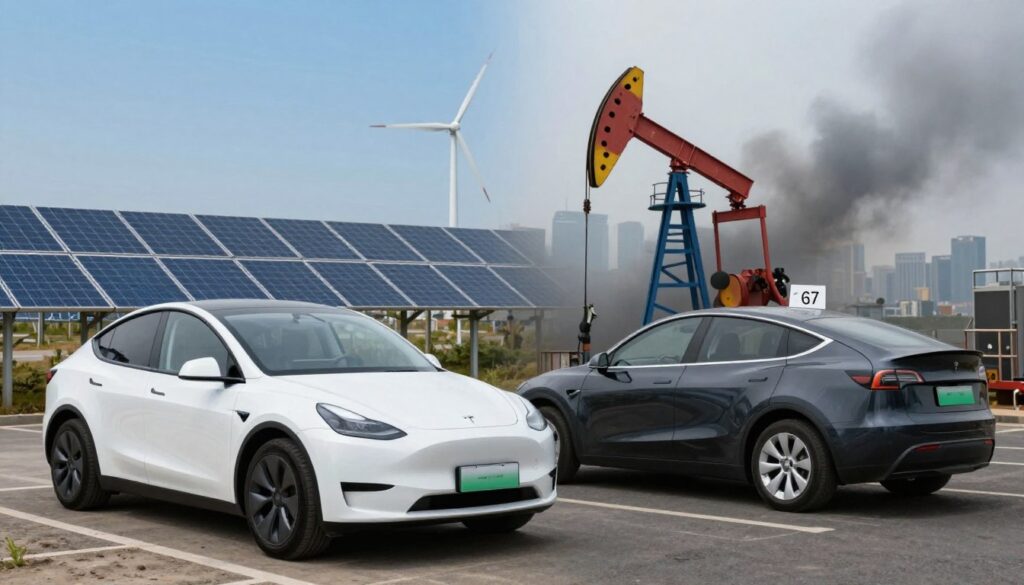
Carbon Footprint of Electric vs Gas Vehicles
Comparing a Tesla to a gas car shows a big difference in carbon footprint. Gas cars release greenhouse gases from the tailpipe. Electric vehicles, on the other hand, produce zero emissions while driving.
The environmental impact also depends on the electricity source. If your area uses coal, the impact is higher. But, if it’s powered by wind or solar, it’s lower.
Long-Term Environmental Savings
Buying an electric vehicle offers big electric vehicle long term cost benefits. It saves money and reduces carbon emissions over time. Even the battery’s manufacturing process is considered.
“The transition to sustainable energy is not just a technological shift; it is a moral imperative for the future of our planet.”
Choosing a cleaner vehicle helps the environment. It reduces our reliance on fossil fuels. This lowers the carbon output of the transportation sector.
The Role of Renewable Energy Sources
Using renewable energy boosts the environmental benefits of your car. Charging with solar or wind power reduces tesla vs fossil fuel car expenses on the environment.
Many homeowners install solar panels for their cars. This keeps their driving as clean as possible. It maximizes the environmental benefits of their investment.
Charging Infrastructure vs Gas Stations
Driving an electric vehicle changes how you power your car. Unlike gas stations, electric cars need a different approach to energy. This shift is key to understanding the electric vehicle long term cost benefits that many enjoy.
Availability of Charging Stations
Charging stations are growing fast in the U.S., making long trips easier. High-speed chargers along highways can fill your battery in under thirty minutes. This is great for those without home charging.
But, charging stations aren’t everywhere yet. Cities have lots, but rural areas need careful planning. You can learn more about this by checking gas prices vs EV charging costs to see how location affects your costs.
Cost of Home Charging Solutions
Home charging is often the cheapest way to keep your car ready. A Level 2 charger in your garage is like having your own fueling station. It’s cheaper than public fast-charging.
Getting a charger at home saves money on your fuel bill. Waking up to a full battery every morning is a big perk. It’s a key part of enjoying electric vehicle long term cost benefits.
Convenience of Gas Stations
Gas stations are quick and easy. They’re everywhere, and filling up takes just minutes. They’re perfect for drivers who need to refuel fast.
But, gas prices can change a lot. And you need to go to the pump just for fuel. Electric car owners charge at home instead, which is more efficient.
The table below shows the main differences between gas stations and home charging.
| Feature | Gas Station | Home Charging | Public EV Charging |
|---|---|---|---|
| Refueling Time | 3-5 Minutes | Overnight (Hours) | 20-60 Minutes |
| Cost Efficiency | Variable/High | Very High | Moderate |
| Accessibility | Extremely High | High (Private) | Growing |
| Effort Required | Active Trip | Passive (Plug-in) | Active Trip |
Conclusion: Making the Best Choice for Your Needs
Choosing a vehicle means looking at your driving habits and financial goals. The initial cost might seem higher for traditional cars. But, a detailed electric vehicle vs gas car comparison shows electric cars save money in the long run. For those who drive a lot, a Tesla can be a better financial choice.
Consider if you can charge at home and how much you drive each year. This helps decide if an EV is right for you. Looking beyond the initial price, electric cars offer big savings on fuel and maintenance for most drivers.
As you own a car for longer, the savings of a Tesla become clearer. The difference in cost between a Tesla and a gas car gets smaller when you include tax credits and lower energy costs. It’s important to think about your daily driving needs when choosing.
Deciding between a Tesla and a gas car is about weighing short-term costs against long-term savings. Make sure you have good charging options and think about your future driving plans. Electric cars offer a smart way to save money on transportation for your family.
What is the primary difference in the tesla vs gas cars cost over five years?
The main difference is in operational savings. Teslas may cost more upfront, but they save ,000 to ,000 over five years. This depends on your local rates and driving habits.
How does an electric vehicle cost analysis account for battery replacement?
Most modern Tesla batteries last a long time, often over 300,000 to 500,000 miles. So, battery replacement is rarely a concern in the first decade.
Are electric car ownership expenses higher due to insurance?
Yes, insurance for Teslas is often 15% to 30% higher than for gas cars. But, the savings on fuel usually outweigh the higher insurance costs.
What are the biggest tesla vs fossil fuel car expenses to watch out for?
For gas cars, watch out for fuel price changes and maintenance costs. For Teslas, depreciation and specialized tires are the main expenses.
What are the specific electric vehicle long term cost benefits?
EVs save on maintenance, braking system longevity, and stable electricity prices. These benefits make EVs more cost-effective over time.

Hi! I’m Moheen Iftikhar, founder of CarPulsei. Passionate about cars, innovation, and the future of mobility, I create content that keeps automotive enthusiasts informed. From expert reviews and industry trends to driving tips and practical insights — my goal is to help you navigate the automotive world with confidence.