



Toyota vs Honda Comparison Guide for US Buyers
Did you know over 40% of all vehicles sold in the United States come from just two Japanese giants? Choosing between them can be tough for any driver.
This guide is here to help you pick your next reliable vehicle. I aim to give you a comprehensive analysis of these industry leaders in today’s market.
By looking at important metrics like performance, safety, and long-term value, I hope to make your choice easier. I want you to feel confident and informed before you go for a test drive.
Key Takeaways
- Understand the core differences between the two most trusted Japanese automakers.
- Evaluate vehicles based on essential metrics like safety ratings and fuel efficiency.
- Learn how to assess long-term ownership costs and vehicle reliability.
- Gain the confidence needed to make an informed purchase at the dealership.
- Discover which brand aligns best with your specific driving needs and lifestyle.
Introduction to Toyota and Honda
Exploring the car world always brings me back to Toyota and Honda’s legendary rivalry. When I do a toyota vs honda comparison, I see two giants that have changed American driving. They stand for quality, but their paths to success are different.
Overview of Brand Histories
Toyota started with textile machines before moving to cars. It became known for the Toyota Production System, focusing on efficiency and cutting waste. This approach helped them grow while keeping quality high.
Honda, beginning with motorcycles and engines, was driven by Soichiro Honda’s engineering passion. This distinct heritage shapes the performance of their cars today.
Market Presence in the U.S.
In the U.S., Toyota and Honda are names synonymous with reliability. Honda is ranked first for reliability among 32 car brands by RepairPal. This pushes the whole industry to get better, benefiting everyone.
Choosing between these giants is a big decision for buyers. To help, I’ve made a quick guide below.
| Feature | Toyota Focus | Honda Focus |
|---|---|---|
| Core Philosophy | Efficiency & Longevity | Engineering & Performance |
| Market Reputation | Mass-market reliability | Driver-centric engagement |
| Industry Standing | Global production leader | Top-tier reliability ranking |
Whether you want Toyota’s proven durability or Honda’s spirited handling, both offer great value. A detailed toyota vs honda comparison shows your choice depends on your driving style. Both brands aim for excellence in the American car market.
Performance Comparison: Speed and Handling
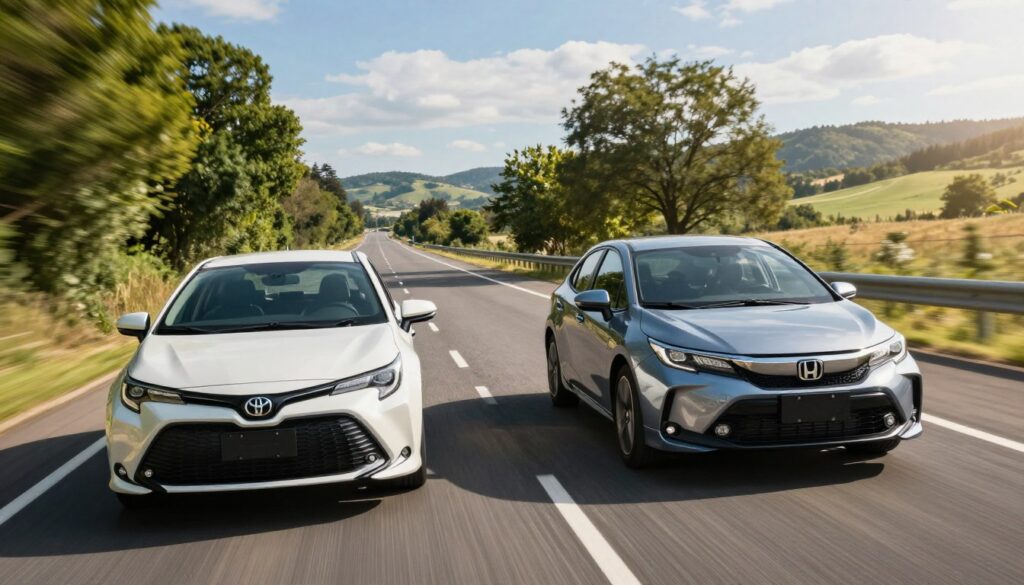
My analysis shows Toyota focuses on reliability, while Honda aims for spirited performance. Toyota takes a utilitarian and conservative approach to design. Honda, on the other hand, is known for its engaging and responsive driving experience.
It’s key for buyers to know these differences. Whether you want a calm drive or a car that’s athletic on curves, both brands have what you need.
Engine Specifications
Toyota aims for long-term durability and smooth power. Their engines deliver consistent torque, perfect for long drives and daily tasks.
Honda, though, focuses on dynamic throttle response and precise steering. This makes their cars feel more connected to the road. Honda’s engines encourage a more spirited drive, unlike Toyota’s more relaxed feel.
Fuel Efficiency
Looking at toyota vs honda fuel efficiency, the EPA’s latest data is key. Honda is the most fuel-efficient gas-powered vehicle maker in the U.S., according to the EPA.
This shows Honda’s dedication to improving gas engine tech for better mileage. While Toyota leads in hybrid tech, Honda edges out in traditional gas engine efficiency.
Your choice depends on what matters most to you. If you want maximum gas mileage in a gas engine, Honda’s the way. But if you prefer long-term, conservative performance, Toyota is a great choice.
Reliability Ratings: Which Brand Wins?
Understanding the differences between toyota vs honda reliability is key to making a wise choice. Both brands have built strong reputations by making cars that last long. They are the top choices for those who want reliable vehicles.
Overall Reliability Scores
The reliability scores of these two giants are very close. For example, Honda’s annual maintenance cost is about $428. Toyota’s is around $441. This shows both brands focus on making cars that are easy to keep running.
For more details, check out this toyota reliability review. It compares current models. Both brands are known for their reliability, with little difference in their performance over time.
Common Issues Reported
Even the most reliable cars can have problems as they get older. Honda owners might face issues with the infotainment system or early transmission sensors. Toyota owners might see problems with certain electronic parts or paint in some years.
It’s worth noting these issues are rare and usually tied to specific model years. Regular maintenance can help avoid most of these problems. Your choice between Toyota and Honda depends on your driving habits and what you need in a car.
Safety Features in Toyota and Honda
Keeping my family safe is my main goal. That’s why I compare safety features carefully. I look at how toyota vs honda safety features use both strong structures and smart tech to protect people.
Crash Test Ratings
The Insurance Institute for Highway Safety (IIHS) is the top tester in the U.S. For 2025, Honda won six IIHS Top Safety Pick and Top Safety Pick+ awards. This shows their dedication to keeping people safe in crashes.
Toyota is also a top contender, often getting high scores. Both brands use strong steel and safe cabin designs to reduce injuries in crashes. They both aim to do better in crash tests.
“Safety is not just about the number of airbags; it is about the holistic approach to preventing accidents before they happen.”
Advanced Safety Technologies
Modern cars rely a lot on their electronic systems. Honda uses its Advanced Compatibility Engineering (ACE) body structure. This helps spread crash forces away from the cabin, keeping families safer.
When looking at toyota vs honda safety features, I also check their driver-assistance suites. Both brands offer:
- Collision Mitigation Braking: Automatically applies brakes to prevent frontal impacts.
- Lane Keeping Assist: Gently steers the vehicle to keep it centered in the lane.
- Adaptive Cruise Control: Maintains a safe distance from the vehicle ahead.
- Road Departure Mitigation: Alerts the driver if the car drifts off the pavement.
Choosing between these brands comes down to personal preference. Both have raised the bar for safety, ensuring you’re protected no matter your choice.
Interior Comfort and Accessibility
The way a car feels inside can make a big difference on long trips. I check how well the car fits you and how it feels to drive every day. Knowing the toyota vs honda technology helps pick the best car for you.

Cabin Space and Layout
Honda is known for its smart packaging, making the inside feel roomy and fresh. They work hard to give you lots of legroom and places to store things. If you want a car that’s both useful and tough, check out the Toyota RAV4 review.
Toyota focuses on a layout that puts the driver first. Their cars have:
- High-quality soft-touch materials in key areas.
- Easy-to-use knobs for the climate control.
- Less road noise for a quieter ride.
Infotainment Systems
The user interface is key when comparing toyota vs honda technology. Honda has made big improvements in making systems easy to use. Their screens are quick and simple, keeping you focused on the road.
Toyota has also improved its tech, adding better connectivity and faster speeds. Both brands offer Apple CarPlay and Android Auto, but they work a bit differently. Your choice will depend on whether you like Honda’s simple design or Toyota’s reliable setup.
Pricing Analysis: Cost of Ownership
Many buyers focus on the initial price, but I think long-term value is key. When I look at the cost of a new vehicle, I go beyond the sticker price. I analyze toyota vs honda pricing to see who offers the best deal.

Initial Purchase Price
The sticker price is the first thing buyers see, but it’s not everything. For example, the Honda CR-V often starts lower than the Toyota RAV4 in the compact SUV market. This can be a big factor for those with a tight budget.
But, remember that base models might not have the features you want. It’s important to compare what each trim includes. Sometimes, paying a bit more upfront can save money in the long run by including important safety or tech features.
Long-Term Value
Real toyota vs honda pricing analysis looks at what happens after you buy the car. Depreciation is a big hidden cost, and both brands hold their value well. Choosing either brand usually means a good return when you sell or trade in.
Maintenance costs also affect your wallet over time. Both brands are known for reliability, which keeps repair costs down. By looking at fuel efficiency, insurance, and maintenance, you can find the best long-term financial stability for you.
Popular Models: Toyota vs Honda Showdown
The battle between Toyota and Honda is huge in the US car market. These brands have worked hard to make cars for everyone. Whether you want something tough or something that saves gas, they have what you need.

Toyota’s Best-Selling Vehicles
Toyota is known for making cars that last a long time. The Toyota Camry is a top pick for families. It’s smooth and gets great gas mileage.
The Toyota Tacoma is the top choice for midsize trucks. It’s tough and reliable.
These cars are great for daily driving and fun weekends. They’re perfect for those who want a car that lasts. Check out a compact car showdown to see which one is right for you.
Honda’s Top Models
Honda makes cars that are fun to drive and practical. The Honda Accord is loved for its handling and roomy interior. The Honda CR-V is a top pick for compact SUVs. It’s great for storing stuff and driving well.
Honda focuses on making cars that are useful and comfortable. Their cars are agile and good for families. Here’s a comparison of these famous cars:
| Model | Primary Strength | Best For |
|---|---|---|
| Toyota Camry | Comfort & Reliability | Commuters |
| Honda Accord | Driving Dynamics | Enthuisiasts |
| Toyota Tacoma | Off-road Capability | Adventurers |
| Honda CR-V | Interior Versatility | Families |
Choosing between Toyota and Honda depends on what you need. If you want a car that’s sporty and fun, Honda might be best. If you want a car that’s reliable and smooth, Toyota is a great choice.
Resale Value: Which Holds Its Worth?
When I think about the financial impact of buying a car, resale value is key. It’s important for anyone who plans to sell or trade in their car later. Knowing how much your car will be worth in five years helps protect your investment and ensures a good return.
Factors Affecting Resale
Many things affect a car’s resale value over time. Buyers look for certain traits in used cars, which affects the toyota vs honda resale value comparison.
- Brand Reputation: Cars from brands known for reliability are in high demand.
- Long-term Durability: Cars that last a long time without major issues keep their value.
- Maintenance History: Cars with regular maintenance records are more attractive.
- Market Demand: SUVs and trucks tend to hold their value better than niche models.
Analysis of Resale Trends
Looking at these two brands, we see a small but noticeable difference in depreciation. Toyota cars usually depreciate by about 35% in five years. Honda cars, on the other hand, see a depreciation rate of 38% to 40% over the same period.
This difference often comes from Toyota’s focus on long-term reliability and its strong presence in the truck and SUV markets. While both brands are great, the toyota vs honda resale value comparison shows Toyota might offer a better return on investment.
| Brand | 5-Year Depreciation | Market Standing |
|---|---|---|
| Toyota | 35% | Industry Leader |
| Honda | 38-40% | Strong Competitor |
Your choice should depend on how long you plan to keep the car. If you upgrade often, the toyota vs honda resale value difference might sway your decision. But both brands offer cars that remain valuable for years.
Environmental Impact: Hybrids and EVs
Looking at the environmental impact of today’s cars, Toyota and Honda stand out. They both aim to cut down emissions but in different ways. It’s key to know the toyota vs honda technology differences for those wanting to reduce their carbon footprint.
Toyota’s Hybrid Technology
Toyota leads in hybrids, with many options across their range. Their systems have improved over years, making them reliable and efficient. They offer hybrids in all sizes, from small cars to big SUVs.
Toyota’s wide range of hybrids means almost everyone can find a fuel-efficient car. This has made them known for better toyota vs honda fuel efficiency in everyday driving. For more on this, check out the latest research on sustainable transport.
Honda’s Electric Vehicle Initiatives
Honda is now focusing more on electric vehicles. They used to focus on efficient gas engines and hybrids. But now, they’re moving towards full electric cars to meet the demand for green driving.
Honda is working on smart software and powerful batteries for their electric cars. This change shows a big shift in their engineering approach. Here’s a quick look at how Toyota and Honda are tackling green cars.
| Feature | Toyota Strategy | Honda Strategy |
|---|---|---|
| Primary Focus | Hybrid Diversity | Electric Transition |
| Model Availability | Extensive Hybrid Lineup | Emerging EV Platforms |
| Core Strength | Proven Efficiency | Future-Forward Design |
| Market Goal | Mass Market Adoption | Sustainable Innovation |
Customer Satisfaction and Reviews
How a car feels in daily life is more important than its specs. I’ve looked at many reviews to see how cars do after they’re bought. This shows if what the maker says matches real life.
What Buyers Are Saying
Many say the love for their car comes from how well it works every day. Toyota fans like how easy it is to keep their cars running. Honda fans love how their cars make driving fun, even for short trips.
“The best cars are those that disappear into your life, requiring nothing more than fuel and occasional care to keep moving forward.”
How well a car is serviced is key to happiness. Both Toyota and Honda have lots of dealers in the U.S. But, what people say can differ a lot. Many say the car’s long-term reliability is more important than small issues with tech or noise.
Consumer Reports Insights
When comparing toyota vs honda reliability, the data is close. My look at toyota vs honda consumer reports shows both are very reliable. These reports use data from many owners to show where cars might have problems.
The table below shows what owners like and dislike based on recent feedback.
| Category | Toyota Sentiment | Honda Sentiment |
|---|---|---|
| Daily Comfort | High | High |
| Service Costs | Very Low | Low |
| Tech Intuition | Moderate | High |
| Build Quality | Excellent | Very Good |
In the end, it’s about what matters most to you. Do you want a car with a solid history or one that’s always new and exciting? Both brands offer a lot of peace of mind. Think about these points to make a choice you’ll be happy with.
Warranty and Maintenance
Knowing what your warranty covers can save you a lot of money. When you buy a new car, the manufacturer’s warranty is like a safety net. It helps you budget and keeps your car in top shape.
Warranty Features Comparison
Toyota and Honda both offer strong warranties. They give you peace of mind with their 3-year or 36,000-mile bumper-to-bumper warranty. They also cover the powertrain for 5 years or 60,000 miles, protecting your engine and transmission.
Even though they offer similar coverage, it’s good to check for any special deals or extended warranties in your area. Both brands are known for reliability. But, knowing what’s not covered, like brake pads, can help avoid unexpected repair costs.
| Coverage Type | Toyota Standard | Honda Standard |
|---|---|---|
| Bumper-to-Bumper | 3yr / 36k miles | 3yr / 36k miles |
| Powertrain | 5yr / 60k miles | 5yr / 60k miles |
| Roadside Assistance | 2yr / Unlimited | 3yr / 36k miles |
Routine Maintenance Costs
Regular maintenance is key to keeping your car running well. Both brands use onboard monitoring systems to remind you when it’s time for service. This helps catch small problems before they become big and expensive.
“The secret to a long-lasting vehicle is not just in the engineering, but in the consistency of your maintenance schedule.”
Toyota often includes a free maintenance plan for the first two years or 25,000 miles. Honda, on the other hand, makes you pay for maintenance from the start. But, their parts are easy to find and not too expensive. Regular care will save you money, no matter the brand.
Final Verdict: Choosing Between Toyota and Honda
Choosing a car is about meeting your daily needs and long-term financial goals. Both Toyota and Honda are known for their top-notch engineering. But, they appeal to different drivers in various ways.
If you want a car that holds its value well over time, Toyota might be the better choice. Honda, on the other hand, is great for those who love driving and need a comfortable interior. You can check out a toyota vs honda comparison to see how they stack up in different areas.
Key Takeaways for Buyers
The debate on which brand is more reliable is close, with both Toyota and Honda at the top. Toyota’s Tacoma and 4Runner are known for keeping their value. Honda, though, is a top pick for families who need lots of space and easy-to-use tech.
Personal Preferences and Lifestyle Factors
Your choice should match your lifestyle and budget. While both brands have competitive prices, think about the total cost of owning a car. Both Toyota and Honda offer great safety features for a worry-free drive. Try out different models to see which one suits you best.
FAQ
How does the toyota vs honda comparison look for first-time buyers?
Both brands are great for new buyers. Honda is best for those who love driving and want top reliability. Toyota is better for those who want their car to hold its value and get free maintenance.
Which brand is better for toyota vs honda reliability according to current data?
Honda is slightly ahead in reliability, ranking first among 32 brands. But Toyota is close, known for engines that last over 200,000 miles.
Is there a significant difference in toyota vs honda resale value?
Yes, Toyota holds its value better, with a 35% depreciation rate over five years. Honda’s rate is between 38% and 40%.
Who wins the toyota vs honda fuel efficiency battle for gas-powered cars?
Honda is the most fuel-efficient for gas cars, according to the EPA. Toyota leads in hybrids, but Honda’s gas engines are more efficient.
What are the key toyota vs honda safety features I should know about?
Honda’s ACE body structure is great for safety. Toyota’s Toyota Safety Sense suite is also top-notch. Honda has six IIHS safety awards in 2025.
How does toyota vs honda technology compare in the latest models?
Toyota’s new multimedia system is fast and easy to use. Honda’s tech is more minimalist, with high-quality knobs for easy access.
What is the reality of toyota vs honda pricing for popular SUVs?
The Honda CR-V usually starts lower than the Toyota RAV4. But Toyota’s free maintenance plan for two years can make up for the price difference.
What do the latest toyota vs honda consumer reports indicate?
Consumer Reports puts both brands in the top tier. Honda scores high for driving and owner satisfaction. Toyota leads in reliability and hybrid fuel economy.

Hi! I’m Moheen Iftikhar, founder of CarPulsei. Passionate about cars, innovation, and the future of mobility, I create content that keeps automotive enthusiasts informed. From expert reviews and industry trends to driving tips and practical insights — my goal is to help you navigate the automotive world with confidence.