



Toyota Performance Specs Guide for US Car Enthuasiasts
Did you know over 80% of Toyota vehicles sold in the US last twenty years? This shows their cars are built to last. I made this guide to help you understand car specs better.
Knowing a car’s key specs is key for any driver. By learning about toyota performance specs, you can choose your next car wisely. I aim to make these technical details easy to grasp, so you can enjoy driving.
True enthusiasts know numbers are just part of the story. We’ll see how these numbers affect a car’s real-world performance. Let’s explore what makes these cars stand out on American roads.
Key Takeaways
- Reliability is a big part of Toyota’s engineering.
- Understanding technical data helps you pick the right car.
- Real-world driving can differ from lab tests.
- I give clear insights into how these cars perform under pressure.
- Knowing the basics is the first step to a smart buy.
Overview of Toyota’s Performance Lineup
Looking at Toyota’s performance lineup shows a smart mix of everyday use and racing readiness. The brand has found a way to keep its long-lasting reputation while also meeting today’s need for strong performance.
Understanding Toyota’s Performance Models
Toyota’s engineers make cars for all kinds of drivers, from those who just need to get around to those who love racing. They focus on versatility so that performance and comfort go hand in hand. If you want to see how Toyota compares to Honda, check out this Toyota vs Honda comparison guide for US buyers.
Key Features of Performance Vehicles
Today’s Toyota performance cars use the latest in engine tech to bring excitement. They offer a range of toyota horsepower figures for different driving needs. Whether you want a car with a turbocharged engine or a hybrid with lots of torque, there’s something for everyone.
Importance of Performance Specs
For anyone serious about buying a car, looking at the technical details is key. Knowing the toyota horsepower figures helps you see what a car can really do before you drive it. These numbers are a benchmark for quality, making sure your car gives you the thrill you want.
By paying attention to these numbers, you can pick a car that fits your driving style. Looking at the toyota horsepower figures helps me choose a car that’s both powerful and reliable.
Toyota Sports Car Offerings
Toyota’s sports cars are known for their thrilling drive. They mix top-notch engineering with everyday use. The latest toyota speed statistics show Toyota’s focus on a strong driver-car bond.
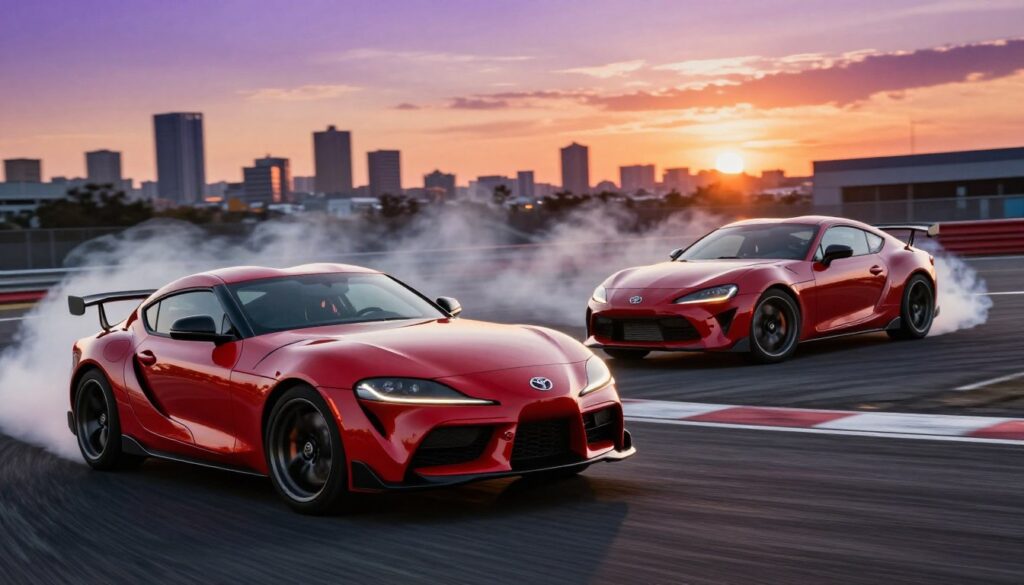
GR Supra: The Apex Predator
The GR Supra is Toyota’s top performance car. It’s a beast on both roads and tracks. Its turbocharged engine gives an exhilarating boost of power.
The car’s chassis is designed for sharp turns. This lets skilled drivers get the most out of it. The Supra’s performance is unmatched in its class, thanks to its engineering. Its quick acceleration is a hit with car lovers.
Toyota 86: Light and Agile Performer
The GR86 is different, focusing on being light and simple. It’s all about feeling the road through its steering. It shows that you don’t need lots of power for a great drive.
The car’s low center of gravity helps it stay stable in corners. This gives drivers the confidence to drive fast. Toyota made it light to make it feel super responsive. Here’s a table comparing the two cars’ key stats.
| Model | Engine Type | Horsepower | 0-60 MPH Time |
|---|---|---|---|
| GR Supra 3.0 | 3.0L Turbo I6 | 382 hp | 3.9 Seconds |
| GR86 | 2.4L Boxer 4 | 228 hp | 6.1 Seconds |
| GR Supra 2.0 | 2.0L Turbo I4 | 255 hp | 5.0 Seconds |
Off-Road Performance: Toyota’s Rugged SUVs
My time with Toyota’s rugged lineup shows why they’re top on tough trails in the U.S. They focus on mechanical durability, making sure every part can handle rough terrain. Some might want a lighter crossover for dirt paths, but true off-road fans need the special engineering these vehicles offer.
4Runner: Built for Adventure
The 4Runner is a classic example of body-on-frame construction, key for uneven ground. Its advanced traction control keeps it moving, even when wheels slip. This legendary reliability makes it perfect for deep wilderness.
The suspension is designed to handle big hits without losing control. It’s great on rocky paths or in deep mud. This mix of power and smart feedback keeps the 4Runner leading in adventure.
Tacoma: Versatility Meets Toughness
The Tacoma is a great mix of workday use and weekend fun. Its versatile bed design and high ground clearance offer lots of utility. The strong chassis can handle heavy loads, making it a go-to for tough spots.
It has advanced off-road tech like crawl control and multi-terrain select. These features let drivers conquer steep hills with unwavering confidence. For those wanting both toughness and everyday use, the Tacoma is unbeatable.
Turbocharging in Toyota Engines
The way Toyota makes engines has changed a lot with forced induction. They use advanced turbo systems to mix fuel economy with power. This lets them make smaller engines that pack a big punch without being too heavy.
Benefits of Turbocharged Systems
One big plus of these systems is the quick torque they offer at low RPMs. This makes driving feel more agile than with old engines. They also make the engine more powerful for its size, which is key for today’s fast cars.
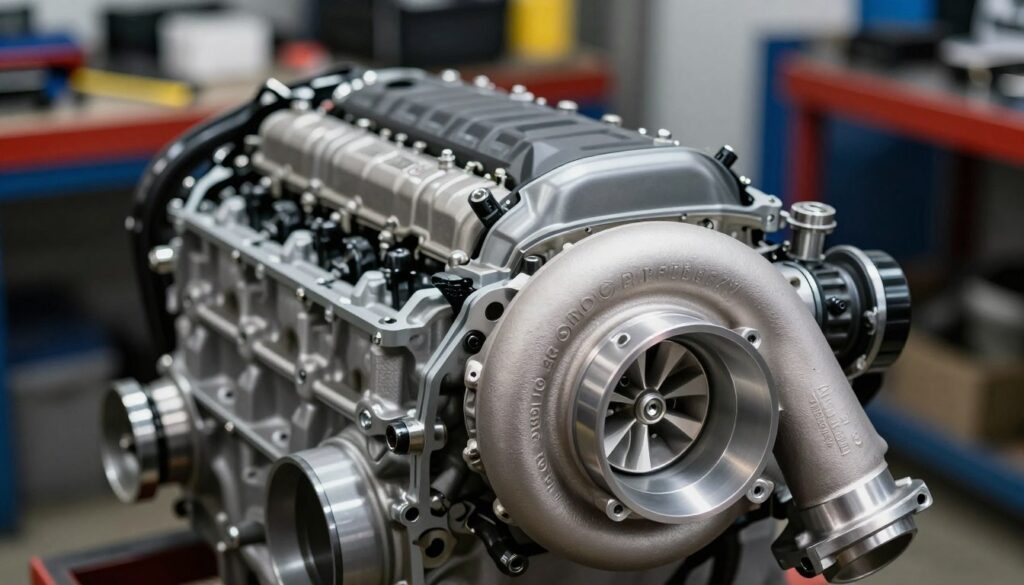
Also, turbocharging makes engines more efficient when driving normally. They use less fuel when not under heavy load. This means you can enjoy the thrill of driving without losing out on fuel efficiency.
Performance Impact Analysis
Looking at Toyota’s engine specs, it’s clear turbocharging is key for their performance. These systems make power available when you need it most. This leads to smooth, quick acceleration in their latest cars.
The effect on how the car drives is huge. Turbo engines are lighter, which makes the car handle better. By checking the latest specs, it’s clear Toyota is always looking to improve what a small engine can do.
Hybrid Performance: Efficiency Meets Power
Toyota has turned the hybrid engine into a thrilling performance asset. It’s no longer just for saving fuel. Now, it offers instant torque for quick starts.
This change means you don’t have to choose between fun and fuel efficiency. The smooth transition between power sources makes driving exciting and efficient. This mix of power and efficiency makes modern cars great for everyday use.
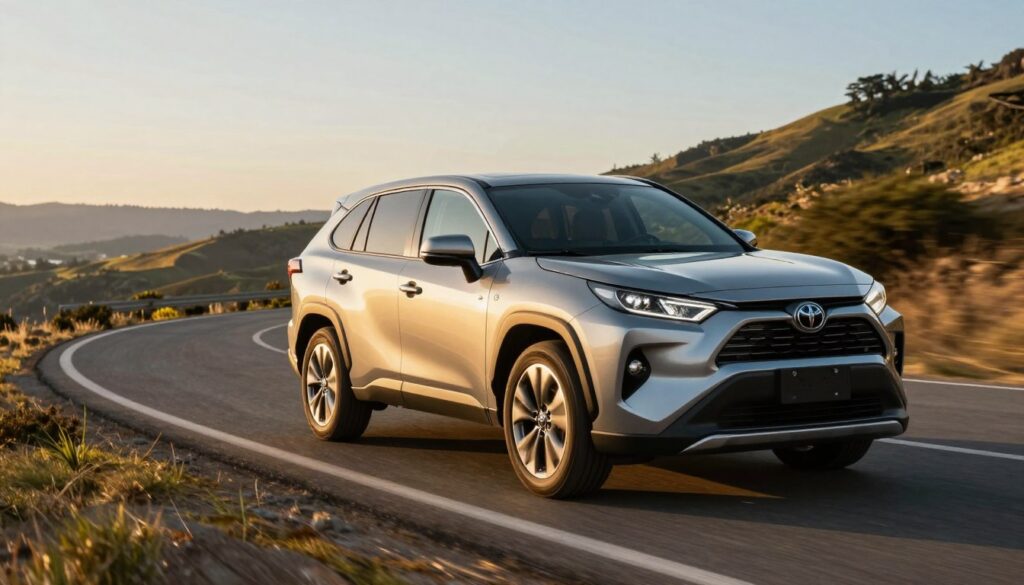
Toyota RAV4 Hybrid: Practical and Powerful
The RAV4 Hybrid shows how hybrid performance can improve a standard SUV. It has an electronic all-wheel-drive system for better grip and speed. This is perfect for merging onto highways or navigating tight roads.
The electric motor adds a significant boost to the power. This makes the RAV4 Hybrid feel more energetic than gas-only models. It’s a great mix of utility and performance for a busy life.
Highlander Hybrid: Family SUV with Performance Edge
The Highlander Hybrid is great for families. It’s not just for carrying stuff; it’s also quick when you need to pass or climb hills. Check out the Toyota Highlander features you’ll love to see how it’s evolved for today’s drivers.
The Toyota hybrid system in the Highlander keeps it efficient without losing power. It delivers consistent power in all driving conditions. This shows that a family SUV can be both practical and fun to drive.
The Role of Aerodynamics in Performance
When I push a vehicle to its limits, air flow over the body is key. Managing drag is not just about looks; it’s a major engineering challenge. It affects how a car moves at high speeds. By reducing resistance, I make sure power goes straight to motion, boosting my toyota speed statistics.
Design Features Enhancing Speed
Toyota engineers use special design elements to keep their fast cars stable. Active front splitters and rear diffusers manage airflow under the car. This reduces lift, which is vital for quick turns at high speeds.
Side skirts and vortex generators also play a role. They help air flow smoothly. This focus on detail keeps the car stable, letting me stay confident even at high speeds. The table below shows how these designs improve performance.
| Feature | Primary Function | Performance Benefit |
|---|---|---|
| Rear Diffuser | Airflow Extraction | Increased Downforce |
| Front Splitter | Drag Reduction | Improved Stability |
| Underbody Panels | Laminar Flow | Higher Top Speed |
Testing and Development Insights
From sketch to car, wind tunnel tests are key. These tests let engineers simulate different conditions. This ensures the design meets high performance standards. This data-driven method is the heart of every toyota speed statistics report.
Real-world testing on tracks is the final check. The team tests in various weather and road conditions. This relentless pursuit of perfection makes sure the car is efficient and quick, no matter the setting.
Performance Technology and Innovations
The world of performance driving has changed a lot thanks to new tech. Today’s cars can go from daily driving to racing speed with smart systems.
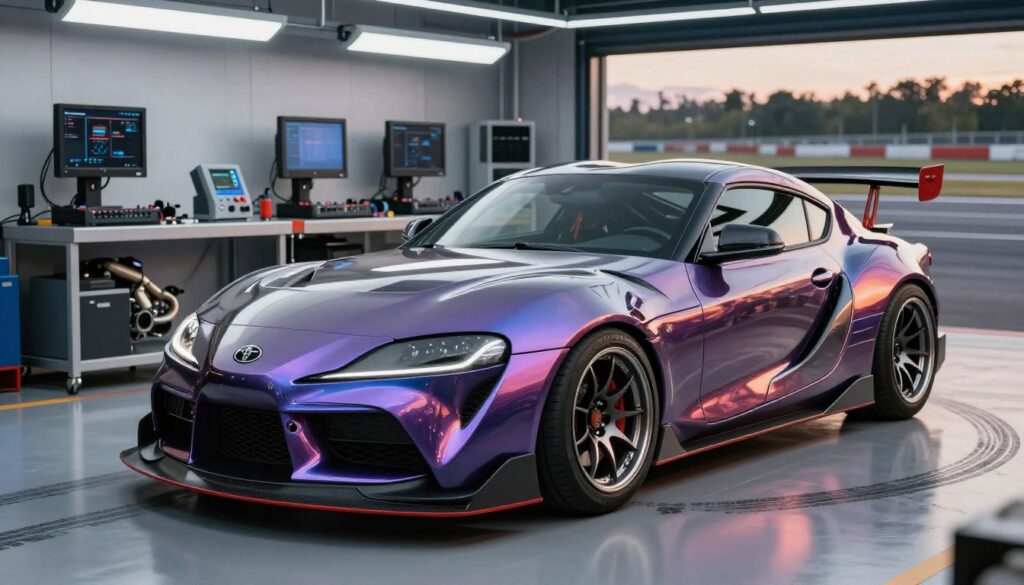
Toyota Racing Development (TRD) Enhancements
Toyota Racing Development (TRD) turns regular cars into racing machines. Their toyota performance upgrades are tested on tracks and keep the car’s warranty. They make the car much better without losing reliability.
TRD adds cool stuff like special exhausts, air intakes, and better brakes. These parts let drivers get the most out of their cars without hurting the car’s future.
Adaptive Suspension Systems Explained
toyota tuning capabilities go beyond just engine tweaks. I love the adaptive suspension systems. They use sensors to adjust the car’s ride based on the road and how you drive.
These systems change how the car handles in seconds. They make sure the car stays stable when you’re driving fast. This tech makes the car smooth on the highway and sharp on the track.
| Feature | Standard Component | Performance Upgrade |
|---|---|---|
| Suspension | Fixed Damping | Adaptive Electronic Damping |
| Braking | Standard Calipers | TRD High-Performance Rotors |
| Handling | Factory Sway Bars | Reinforced TRD Sway Bars |
Handling and Stability Features
Handling and stability are key to enjoying a car’s full performance. While speed gets all the attention, it’s how a car handles corners that really matters. These features are vital for anyone wanting to know how their car performs under pressure.
Today’s cars are designed with safety in mind, even when cornering fast. You can learn how Toyota Safety Sense systems work with the car’s mechanics to keep you safe. My look at toyota acceleration data shows these systems give you the confidence to drive safely at the car’s limits.
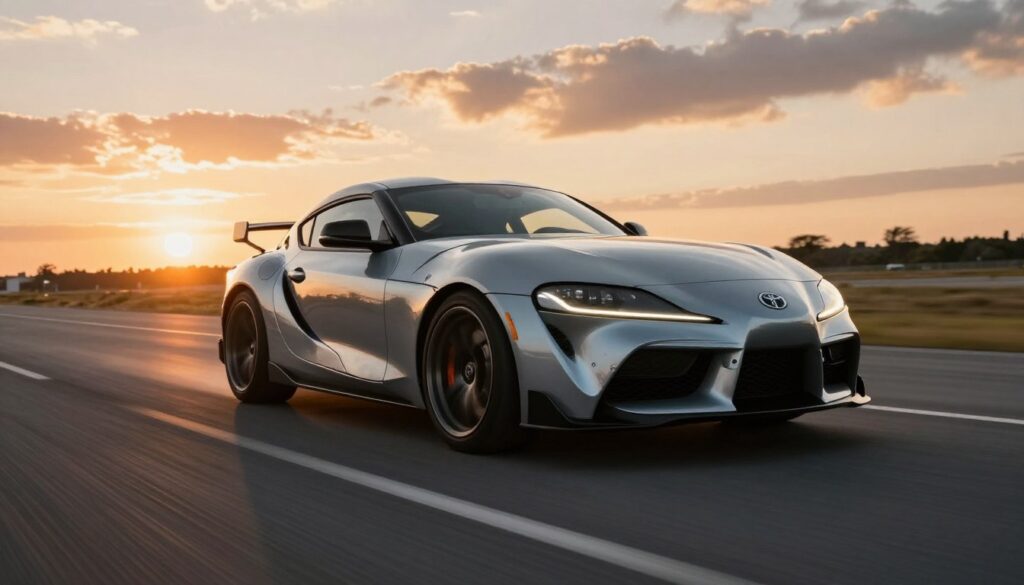
All-Wheel Drive vs. Rear-Wheel Drive
Choosing between all-wheel drive (AWD) and rear-wheel drive (RWD) depends on your driving style and where you drive. Each type gives a different feel and how the car interacts with the road.
- Rear-Wheel Drive (RWD): Loved by car lovers for its pure, balanced handling and better steering feedback.
- All-Wheel Drive (AWD): Offers better grip in different weather, spreading power to all four wheels.
Testing these systems, I see RWD cars are more agile in corners. But AWD cars are rock-solid on slippery or bumpy roads.
Importance of Weight Distribution
The placement of parts in the car affects how it turns. A balanced car rolls less and tires grip better, leading to better performance.
Looking at toyota acceleration data, it’s clear weight distribution is key for quick starts. A lower center of gravity keeps the car stable, speeding up the time to reach top speed.
| Feature | Impact on Handling | Performance Benefit |
|---|---|---|
| Low Center of Gravity | Reduces body roll | Improved cornering speed |
| Balanced Weight | Predictable turn-in | Enhanced driver confidence |
| Stiff Chassis | Better feedback | Precise steering control |
The mix of drivetrain and weight distribution creates a cohesive driving experience. Knowing these technical details helps every driver appreciate the engineering behind their car.
Comparing Engine Specifications Across Models
Looking at the engines of different cars shows why some do better in certain situations. By checking toyota performance specs, we can see how engines affect real-world driving. This helps us pick the right engine for our driving style.
Horsepower: What to Expect
When we look at toyota horsepower figures, we must consider more than just the number. Horsepower shows how fast an engine works, which is key for quick starts and passing on the highway. Engines with more power need to run faster to reach their best, making driving more exciting.
It’s important to remember that toyota engine specifications are made for specific needs. Whether you want speed for racing or smooth driving for daily use, the engine’s power curve is key. Knowing this helps us improve our vehicle’s performance for our lifestyle.
“True performance is not just about the peak number on a spec sheet; it is about how that power is delivered to the road when you need it most.”
Torque Ratings and Their Impact
Torque, not horsepower, is what you feel every day. It’s the force you feel when starting from a stop or going up hills. More torque at lower RPMs means easier driving in the city.
The table below shows how different engines balance horsepower and torque:
| Engine Type | Primary Benefit | Torque Characteristic |
|---|---|---|
| Turbocharged Inline-4 | Balanced Efficiency | Strong Mid-range |
| Naturally Aspirated V6 | Linear Power | Consistent Pull |
| Hybrid Powertrain | Instant Response | High Initial Torque |
Think about how these numbers work with your car’s weight and transmission. The right engine and car combo means a better, more powerful drive every time.
Toyota’s Future Performance Plans
Toyota is changing the game in high-performance vehicles. They’re keeping their reliability and durability top-notch while introducing new power. This move will make Toyota a leader in the global market for a long time.
Anticipated Models and Innovations
Toyota’s engineers are working hard to bring advanced engines to their cars. They’re improving internal combustion tech, like the Toyota G20E engine. This will make driving more exciting and efficient.
New models will have flexible designs for different engines. This mix of old-school feel and new tech will make cars lighter and more rigid. Expect these cars to be amazing on both the road and the track.
Electrification in Performance Vehicles
Toyota is moving to battery-electric platforms, a big change for them. These platforms offer quick torque and better handling. I’m curious to see how they keep the engaging character of sports cars.
“The goal is to create vehicles that are not only sustainable but also deeply rewarding to drive, ensuring that the thrill of the road is never lost in the pursuit of progress.”
Here’s a table showing how Toyota’s powertrain tech is evolving toward electric:
| Technology Type | Primary Benefit | Performance Focus |
|---|---|---|
| Hybrid-Electric | Fuel Efficiency | Low-end Torque |
| Plug-in Hybrid | Extended Range | Balanced Power |
| Battery-Electric | Zero Emissions | Instant Acceleration |
Going electric doesn’t mean Toyota is giving up on performance. It’s actually a chance for them to innovate and control the car’s feel better. I’m excited to see how these changes will shape the future of cars.
Owner Experiences and Testimonials
Real stories about Toyota performance come from those who drive them daily. Hearing from the community gives a unique perspective not found in brochures. It shows how these cars perform in real life.
Real Performance Feedback from Enthuasiasts
Many owners say their cars are more reliable and handle better than expected. They mention that the driving dynamics stay good even after years. This reliability is why fans keep coming back.
Feedback on power delivery is mostly positive. Enthuasiasts say the throttle response is sharp and consistent. This consistent performance shows the car’s engineering.
Community Input on Specs and Upgrades
The enthusiast community is full of useful tips for improving your car. Owners share data on toyota torque specs to help others keep their cars running well. This shared knowledge helps your car perform as it should.
When talking about upgrades, finding the right balance is key. Users suggest certain toyota performance upgrades that improve handling without losing comfort. Always check these forums before making big changes.
Understanding factory settings is important before making changes. By comparing community tips with official toyota torque specs, you can make smart choices. Spending time in these communities is a great toyota performance upgrade for the long run.
Resources for Toyota Performance Enthuisiasts
Learning about your car’s engineering needs the right info. I’ve put together a list of key places to learn more about Toyota tuning. These sites offer the technical details to take your car to its peak.
Online Forums and Communities
Places like SupraMKV and TacomaWorld connect you with seasoned owners. You can talk about car mods and share experiences. Joining these groups lets you dive into Toyota tuning and meet experts worldwide.
Performance Publications and Magazines
Staying current with car trends is key. Magazines like Super Street and Grassroots Motorsports dive into car builds. They offer expert tips on boosting your Toyota for racing and daily driving. I hope this guide helps kickstart your journey into Toyota’s engineering world.
FAQ
Where can I find the most accurate toyota performance specs for the current US lineup?
Check out the technical data sheets on Toyota USA’s website. Or, look at my detailed guides on the GR Supra and GR86. I use official specs and reviews from Car and Driver to ensure accuracy.
How do the latest toyota engine specifications prioritize both power and efficiency?
Modern Toyota engines, like the 2.4L turbocharged inline-four in the 2024 Toyota Tacoma, focus on power and efficiency. They offer more low-end grunt than V6 units but keep the brand’s durability.
What are the typical toyota horsepower figures for the GR sports car family?
The GR86 has 228 hp from its 2.4L boxer engine. The GR Supra 3.0 has 382 hp, for different driving experiences.
Which models offer the most impressive toyota torque specs for off-road use?
The i-FORCE MAX hybrid powertrain in the Toyota Tundra and Sequia is great for off-road. It has 583 lb-ft of torque, perfect for rock crawling and towing.
Are there significant toyota performance upgrades available through TRD?
Yes, Toyota Racing Development (TRD) offers many upgrades. These include cold air intakes, exhaust systems, and suspension kits for models like the 4Runner TRD Pro and Camry TRD.
What should I know about the toyota tuning capabilities of the GR Supra?
The B58 engine in the GR Supra is popular for tuning. It can handle big power increases through ECU remapping and turbo kits, making it a hit at SEMA.
How does the company track and report toyota speed statistics for its performance sedans?
Toyota tests its sedans at places like the Toyota Arizona Proving Grounds. For example, the Camry TRD has a top speed of 135 mph, balancing safety and thrill.
Where can I compare toyota acceleration data across the hybrid and gasoline models?
I compare acceleration data to show how hybrids affect performance. The RAV4 Prime is surprisingly quick, reaching 0-60 mph in about 5.7 seconds, matching many sports cars.

Hi! I’m Moheen Iftikhar, founder of CarPulsei. Passionate about cars, innovation, and the future of mobility, I create content that keeps automotive enthusiasts informed. From expert reviews and industry trends to driving tips and practical insights — my goal is to help you navigate the automotive world with confidence.